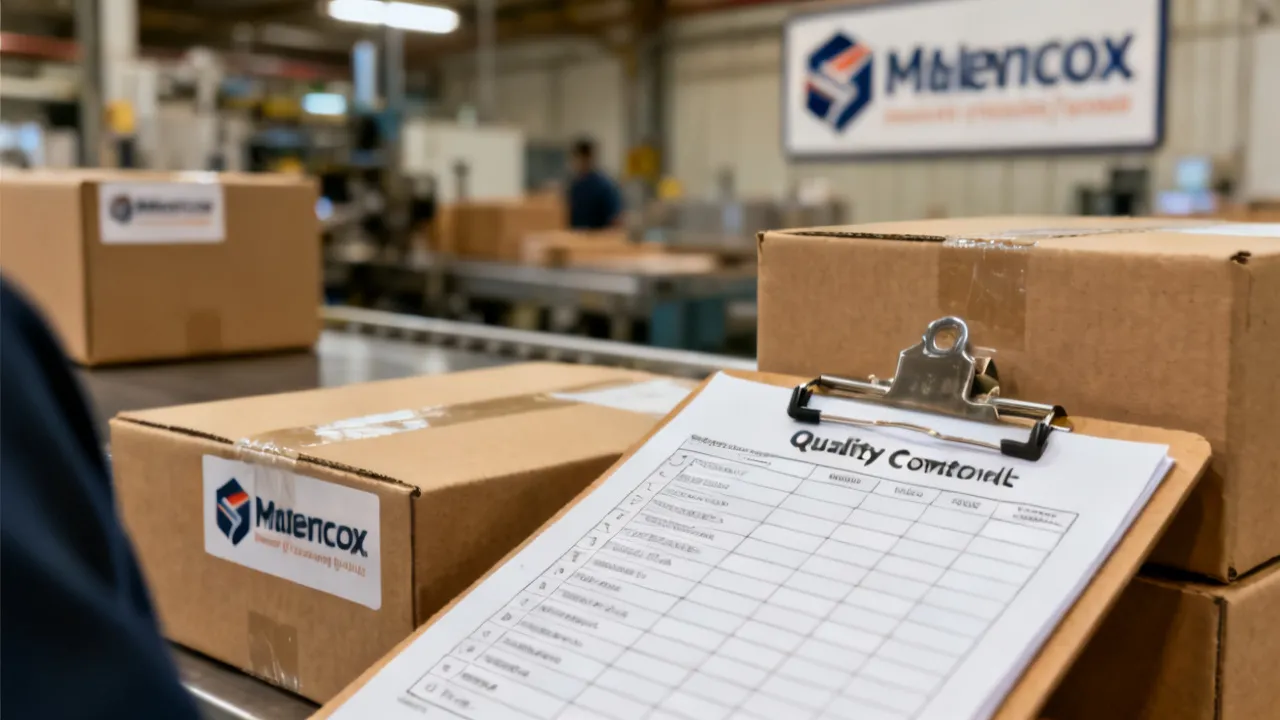
A Scholarly Guide to Xavier Procurement and Sourcing
This guide explains how Xavier influences procurement decisions, supplier evaluation, and quality assurance workflows. Objectively, “Xavier” can function as a product name, a project codename, or an organization label used in sourcing and documentation. The guide reviews typical requirements, selection criteria, and compliance checks used by procurement and supply teams, helping readers plan responsibly from inquiry to onboarding.

What “Xavier” Typically Means in Procurement Workflows
When procurement teams reference Xavier, they are usually pointing to a specific product line, a project identifier, a configuration label, a supplier-related designation, or a structured code that appears consistently across quotations, specifications, and operational documentation. For decision-makers, the key value of this keyword is not the word itself, but what it unlocks: traceable requirements, clearer tender documents, and more consistent vendor performance expectations.
In practice, “Xavier” may surface during supplier onboarding, quality planning, service-level alignment, and receiving workflows—especially when buyers need to standardize how goods or services are defined and delivered. For example, a buyer might refer to “Xavier” when they need to ensure that a particular part number, software release, maintenance package, or support entitlement is consistently named across RFQs, purchase orders, delivery notes, invoices, warranties, and maintenance logs.
Because the term can function differently across organizations, a professional approach starts with verification. You should confirm what “Xavier” denotes in your context (catalog item, internal program, project code, documentation set, or vendor offering). From there, you can build a procurement plan that is measurable, auditable, and aligned with internal controls.
In well-run organizations, “Xavier” typically becomes a “business object” in the procurement system—meaning it has an owner, a defined scope, and rules for how it must be quoted, delivered, accepted, and closed. Even when suppliers use “Xavier” as a marketing or catalog term, procurement still treats it as something that must be mapped to internal definitions so the purchasing process does not rely on assumptions.
Why Suppliers and Buyers Treat Xavier as a Traceability Anchor
In many sourcing environments, keywords like Xavier operate as a “traceability anchor.” That means the same label appears in multiple places—RFQs, engineering notes, invoices, packing slips, receiving checklists, and maintenance or warranty documents. When that alignment exists, procurement teams can reduce ambiguity, streamline receiving inspections, and improve post-delivery accountability.
From an industry perspective, this matters because procurement risk is rarely only about price. It’s about the ability to confirm that what was promised is what was delivered—and that the documentation supports the buyer’s acceptance criteria. Traceability also becomes critical when you need to investigate nonconformities, handle recalls, process warranty claims, or prove compliance during audits.
When “Xavier” is used as a traceability anchor, it can support verification across several dimensions:
- Specification match (materials, tolerances, formats, service scope)
- Delivery performance (lead time realism, fulfillment capacity, milestone achievement)
- Quality consistency (testing evidence, defect handling, rework records)
- Compliance (regulatory fit, documentation completeness, required certifications)
- Commercial clarity (incoterms, payment terms, warranty coverage)
- Operational usability (installation requirements, acceptance tests, training/support prerequisites)
Even when the procurement process is highly automated, traceability depends on consistent naming and consistent metadata. If “Xavier” is used differently by local teams, the anchor fails: invoices might reference one configuration while packing slips reference another; receiving might inspect against the wrong evidence bundle; or QA might confirm the wrong acceptance parameters. In those scenarios, the procurement team may have created a “paper trail” that looks complete but is not truly aligned to the buyer’s needs.
Therefore, “Xavier” is best treated as a structured reference whose meaning must be defined and enforced across the full purchasing lifecycle—not merely as a label that gets copied and pasted.
Inverted Pyramid: The Decision Checklist at the Top
Before you place any order tied to Xavier, procurement professionals typically confirm a set of items first, because these determine whether the rest of the process will be efficient or chaotic. In most organizations, procurement success depends on removing ambiguity early and locking down acceptance expectations before supplier effort begins.
This “inverted pyramid” approach—getting to the most important verification points first—helps you prevent common failure modes like scope drift, evidence mismatch, and contract misunderstandings. If those issues are discovered after delivery, the remediation cost can be much higher than it would have been to clarify scope and evidence requirements during RFQ stage.
Procurement teams often validate the following items upfront:
- Definition: What exactly is “Xavier” (SKU, service package, project requirement, documentation set, or internal code)?
- Scope boundaries: What’s included, what isn’t, and which deliverables are mandatory versus optional?
- Evidence requirements: What documents or tests must accompany delivery (COC, test reports, acceptance criteria, calibration certificates, audit logs, or service evidence)?
- Quality and acceptance: How will the buyer inspect or validate the deliverable, and what pass/fail criteria will be used?
- Risk controls: How will defects, nonconformities, and late delivery be handled contractually, including escalation and timelines?
- Total cost visibility: Not just unit price—also logistics, rework, downtime, administrative overhead, and the cost of delayed commissioning or operational readiness.
These points sit at the top of the decision chain because they influence contract language, operational readiness, and downstream cost outcomes. When they’re missing, procurement may succeed in getting a low quotation but fail later on acceptance, warranty, and audit evidence—effectively transferring cost and risk from supplier to buyer.
To make this approach workable in real life, procurement teams often embed the checklist into templates: RFQ templates include fields for definition, scope boundaries, and evidence requirements; PO templates include traceability fields; QA plans include acceptance criteria; and contract templates include remedies and escalation procedures.
How Procurement Teams Evaluate Suppliers When Xavier Appears
Supplier evaluation changes when Xavier is used as a structured reference within internal systems. Buyers tend to move faster once they can map “Xavier” to a consistent set of requirements. But speed should not come at the expense of repeatable controls.
Supplier evaluation usually follows a layered approach, combining administrative readiness, quality system maturity, commercial alignment, and operational feasibility. “Xavier” becomes a common reference point that allows evaluators to ask consistent questions and compare suppliers more fairly.
1) Administrative and Documentation Fit
Buyers look for the supplier’s ability to produce consistent documentation for “Xavier” specifications—purchase-order traceability, invoice matching, and delivery notes that reflect the correct scope. This includes verifying that the supplier can:
- Use the correct identifier consistently (SKU code, model number, configuration name, service bundle code)
- Reference purchase order numbers and traceability fields correctly
- Provide the correct evidence bundle aligned to the “Xavier” scope
- Deliver consistent documentation formats that match your receiving and QA workflows
A supplier may be technically capable but still fail procurement outcomes if their documentation practices are inconsistent. For instance, if certificates of conformity are missing for a subset of deliveries or delivered under a different code, the buyer’s acceptance process may stall.
2) Quality System Readiness
For many categories, suppliers must demonstrate repeatability—often via documented quality procedures, controlled production steps, and corrective action processes for nonconformities. When “Xavier” is a structured identifier, buyers typically look for evidence that the supplier can execute the same quality plan across batches or service cycles.
In practice, this may include evaluating:
- How the supplier ensures that “Xavier” matches the correct bill of materials or process parameters
- Whether they control document versions for specs related to Xavier
- Whether they handle deviations through change control and nonconformity management
- Whether they can provide traceable inspection/test results
- Whether they track and analyze defect trends and apply corrective actions
The strongest suppliers can explain “Xavier” in plain terms while supporting that explanation with verifiable records. They can show how they prevent mix-ups (wrong configuration, wrong revision, wrong evidence).
3) Commercial and Contract Structure
Procurement examines warranty terms, liability boundaries, return/replacement policies, and service-level expectations. If “Xavier” represents a service, contracts may include response time targets, escalation pathways, service hours, and acceptance milestones.
Commercial evaluation also includes understanding how the supplier prices different elements of the Xavier scope. Procurement professionals prefer contract structures that prevent ambiguity. For example:
- If “Xavier” includes testing, the contract should specify whose lab performs it and when results are delivered.
- If “Xavier” includes installation or configuration support, the contract should define what prerequisites are on the buyer’s side and what is on the supplier’s side.
- If “Xavier” includes spare parts or replacement coverage, the contract should define turnaround times and coverage periods.
When contracts are not explicit, disputes often emerge later. Procurement’s role is to ensure the contractual structure is enforceable and operationally usable at the moment the buyer needs it—during acceptance, warranty claims, or escalation events.
4) Operational Feasibility
Even when documentation looks strong, buyers test operational feasibility: capacity, lead time integrity, packaging/handling readiness, and the supplier’s ability to meet delivery milestones. Operational feasibility also covers how the supplier manages logistics constraints—especially when “Xavier” requires specific packaging, labeling, serialization, or handling instructions.
Buyers may check:
- Whether the supplier has demonstrated lead time performance for similar “Xavier” scopes
- Whether the supplier can ship within requested packaging and labeling rules
- Whether the supplier can meet receiving and inspection requirements (e.g., delivery documentation that receiving teams can process)
- Whether the supplier’s operations match the timeline implied by the RFQ
In professional settings, the strongest suppliers are those that treat “Xavier” as an operationally governed unit of work—not as a vague marketing term.
Pricing: How to Think Objectively About Cost When Xavier Is Involved
The request you provided did not include explicit price figures or currencies, so this section focuses on a responsible framework rather than unverified numbers. In procurement discussions, teams often cite “price information,” but they should interpret it through the lens of total acquisition cost and the cost of acceptance outcomes.
When “Xavier” is involved, price comparisons should not be based on headline numbers alone. If suppliers quote different evidence bundles, different warranty coverage, or different scope boundaries under the same label “Xavier,” then comparing unit price can mislead decision-makers.
An industry-standard objective approach is to compare quotations based on a common structure:
- Unit price (and what it covers—materials, labor, configuration, and documentation)
- Any setup or configuration fees tied to Xavier specifications
- Shipping, handling, and customs where applicable
- Testing or inspection fees required for acceptance
- Warranty duration and what it covers (including exclusions and response times)
- Estimated rework exposure if specifications are unclear or evidence requirements are inconsistent
- Administrative and receiving overhead (e.g., time spent reconciling documentation)
This method avoids the common pitfall of comparing “headline” prices that differ because the suppliers are not quoting the same scope. A supplier might offer a lower unit price but require additional buyer steps, extra inspections, or delayed evidence submission, which can increase buyer costs.
If you later have specific price and supplier information, the same structure can be used to normalize comparisons. One effective technique is to build a cost model with explicit line items for evidence and acceptance. This makes it easier to see when price reductions are achieved by removing items the buyer will later have to purchase or verify separately.
Procurement leaders often find that the best pricing decisions happen when the buying organization makes its acceptance and evidence requirements very clear up front, then uses structured quotations that match those requirements. When “Xavier” is standardized, it becomes easier to compare apples-to-apples.
Supplier Details: What “Good” Looks Like for Xavier-Linked Deals
When a supplier offers “Xavier” as part of their catalog or program offerings, buyers typically expect clarity in four areas. These are not “nice to haves.” They directly influence whether the delivery can be accepted quickly and whether future warranty or compliance obligations are manageable.
Buyers typically expect the supplier to demonstrate:
- Specification alignment: the supplier maps each requirement to their process steps or deliverables, and can show how “Xavier” is produced or provided.
- Traceability: the supplier can link delivered items to documentation referencing “Xavier,” including revision status and evidence references.
- Quality evidence: the supplier provides test certificates, inspection reports, or other objective proof aligned with acceptance criteria.
- Issue resolution: nonconformities are handled through defined corrective action, not informal promises or ad-hoc negotiations.
Procurement professionals often treat these as “must-have” conditions because they reduce operational uncertainty once the order enters production or service delivery. Without them, receiving may need manual workarounds, QA may reject deliveries for evidence gaps, and warranty claims may become difficult to prove.
What “good” looks like in practice usually includes:
- Consistent naming: the supplier uses the same Xavier identifier across quotation, PO acceptance, packing slips, invoices, and test documents.
- Controlled revisions: if specifications change, the supplier communicates the change and aligns the revision with your purchase order and acceptance plan.
- Right-sized evidence: evidence matches what the buyer expects—no excessive documents that are irrelevant, and no missing documents that are essential.
- Predictable issue response: the supplier has escalation steps and response time targets for nonconformities, including how they contain, correct, and prevent recurrence.
Finally, “good” suppliers understand that the buyer’s procurement objective is not just delivery; it is delivery that can be verified, audited, and maintained. That perspective turns “Xavier” into a shared framework across supplier and buyer.
Localization Considerations: Using Xavier Across Regions Without Losing Consistency
Your prompt did not provide a specific city or country, so this guide stays intentionally location-neutral while still discussing localization as a practice. In many organizations, “Xavier” references appear in global systems—ERP, supplier portals, QA documents, and maintenance logs. That creates a subtle risk: the same keyword may be interpreted differently by local teams if definitions are not standardized.
Localization issues can be especially common when:
- Local teams translate technical documentation but fail to preserve the original meaning of “Xavier” references
- Regional procurement teams have different tender templates
- Local compliance rules require additional certificates or evidence not contemplated in the global contract template
- Local warehouses label items using different internal nomenclature
To prevent these issues, practical localization safeguards include:
- Maintaining a single source of truth for what “Xavier” means in your organization
- Ensuring translation accuracy for key specification terms and evidence requirements
- Aligning local compliance needs with the global contract framework, including how evidence is requested and validated
- Training receiving and QA teams on how to identify Xavier-linked deliverables and how to validate evidence completeness
- Ensuring local invoicing and document management systems include the same traceability fields (or mapping logic) used globally
This is especially important when “Xavier” appears in warehouses, maintenance logs, service tickets, or software support references—where misinterpretation can create billing disputes, acceptance failures, or delayed warranty processing.
One useful strategy is to define a “localization mapping.” In that mapping, you keep the global “Xavier” identifier unchanged while allowing local document formats and language. The mapping ensures that even if local teams use different descriptive text, the underlying Xavier code remains consistent and traceable.
Comparison Table, Sourcing Steps, and Requirements (Supplement)
Below is a structured supplement showing how organizations often compare approaches when Xavier is used as a procurement reference. The goal of this comparison is to make decision criteria explicit so that procurement, QA, and operations evaluate suppliers using consistent expectations.
| Aspect | Supplier-Ready Xavier Approach | Buyer Control Focus |
|---|---|---|
| Definition of Xavier | Clear SKU/service identifier with document numbering | Buyer verifies scope boundaries in RFQ/RFP |
| Price Quote Structure | Line-item quotation with included/excluded items | Buyer normalizes “apples-to-apples” comparisons |
| Evidence for Acceptance | COC/test reports or service records matched to Xavier | Buyer confirms inspection criteria upfront |
| Quality Handling | Documented nonconformity and corrective action workflow | Buyer requires escalation and timelines |
| Delivery Feasibility | Realistic lead times and packaging/handling readiness | Buyer sets milestone-based acceptance gates |
| Contract Conditions | Warranty, liability, returns, and service commitments defined | Buyer ensures remedies are enforceable |
| Ongoing Monitoring | Performance reporting against agreed KPIs | Buyer schedules periodic audits or reviews |
When teams use this type of comparison structure, procurement outcomes improve because evaluation is not based on subjective impressions. “Xavier” becomes a measurable reference across multiple dimensions—administration, evidence, quality, delivery feasibility, and commercial remedies.
Step-by-Step Guide: Managing a Xavier Request from Inquiry to Onboarding
Use this step-by-step guide as a practical procurement roadmap. It is written generically because “Xavier” can represent different categories across industries—hardware, manufactured components, professional services, SaaS configuration packages, maintenance plans, or technical documentation bundles.
-
Establish the Xavier definition internally
Confirm whether “Xavier” is a SKU, a service bundle, a project name, a specification set, or a documentation package. Assign an internal owner for the definition and ensure that owner maintains a change log (including what changes and when). -
Draft a scope document
List deliverables, acceptance criteria, required evidence, and exclusions. The goal is to prevent “scope drift.” Include explicit “not included” statements to avoid disputes about missing items, extra tests, or responsibilities. -
Request structured quotations
Ask suppliers to quote by line item and specify what is included. Where price information is provided, require it to be normalized to the same scope. If the supplier uses their own catalog naming, require mapping to your Xavier definition. -
Evaluate suppliers beyond price
Review evidence readiness, quality handling maturity, and feasibility of lead times. Make sure “Xavier” is referenced consistently across supplier documents and in your internal RFQ-to-PO chain. -
Run a documentation and compliance check
Before ordering, verify that certificates, test reports, or service records align with the acceptance plan for Xavier-linked deliverables. Confirm that evidence delivery dates and formats are operationally realistic. -
Finalize contract conditions and remedies
Ensure the contract includes clear remedies for nonconformance, delays, and warranty/service disputes. Make sure remedies include timelines and measurable outcomes (e.g., replacement lead times, re-test requirements, service credits). -
Plan receiving and inspection
Receiving teams should know how to identify Xavier-linked packages and verify evidence completeness. Prepare checklists and define what happens if evidence is missing (hold, reject, request missing docs, or proceed with conditional acceptance). -
Measure performance after onboarding
Track acceptance pass rates, corrective action cycle times, and fulfillment reliability so Xavier-linked purchasing can mature over time. Feed performance outcomes back into future supplier scoring.
This lifecycle approach turns Xavier into a governed procurement object. It also improves audit readiness because each stage has defined inputs and outputs. Procurement can show how the Xavier definition was established, how the acceptance criteria were communicated, and how evidence was verified.
In many organizations, the procurement team also conducts a “pre-PO alignment meeting” where procurement, QA, receiving, and operations confirm that the Xavier scope is understood. This is particularly useful for first-time suppliers or first-time Xavier configurations.
Conditions and Requirements Commonly Applied to Xavier-Linked Orders
Procurement teams often apply baseline requirements to prevent avoidable failures. Typical conditions include both documentation rules and operational rules. The goal is to ensure that acceptance is objective, that traceability is preserved, and that remedies are actionable.
Common conditions include:
- Defined acceptance criteria before dispatch or service start (including test methods, tolerance ranges, required inspection steps, or service acceptance milestones)
- Evidence submission timelines (e.g., before receiving, with shipment, at service commencement, or at service completion)
- Nonconformity procedure including escalation, root cause reporting expectations, corrective action timelines, containment requirements, and verification of effectiveness
- Traceability fields that must appear on invoices and packing documents (and match the Xavier identifier used in RFQs and POs)
- Warranty or service-level clarity that matches the intended use case, including exclusions and how warranty claims are processed
- Confidentiality and data handling where Xavier is tied to software, documentation, technical support artifacts, or managed services
- Change control rules specifying how suppliers handle revisions to the Xavier scope and how the buyer approves changes
- Packaging and labeling requirements (including barcodes/serialization rules, handling instructions, and storage conditions if relevant)
- Incoterms and logistics responsibilities if cross-border shipping impacts acceptance or documentation flow
When these requirements are explicit, the buyer reduces the likelihood of disputes. For example, disputes commonly arise when a supplier delivers documentation “in general” but not mapped to the specific Xavier configuration delivered. Another dispute pattern occurs when evidence is provided but not according to the buyer’s defined format or acceptance plan.
Therefore, procurement teams often include a “document checklist” and require the supplier to submit evidence in a specified order or format. Some organizations require document titles to include the Xavier code, revision number, batch/lot number, and purchase order number.
FAQs About Xavier Procurement, Supplier Evaluation, and Documentation
Q1: What does “Xavier” mean in sourcing documents?
In procurement contexts, Xavier usually functions as an identifier for a specific product, service package, project, or documentation set. The exact meaning should be verified against your internal catalog, requirement documents, and the supplier’s quotation mapping.
Q2: Why is the Xavier label important if multiple suppliers offer it?
If multiple suppliers reference Xavier, buyers need to confirm that the label corresponds to the same specification and evidence requirements. A shared keyword does not guarantee identical scope, materials, tolerances, service entitlements, or documentation completeness.
Q3: Should I choose suppliers based on price information alone?
No. Objective supplier selection typically normalizes quotations and evaluates total acquisition cost. That includes evidence readiness, acceptance likelihood, warranty/service terms, and the expected cost of rework, delays, and administrative overhead.
Q4: What documentation should accompany Xavier-linked deliveries?
Common examples include certificates of conformity, inspection/test reports, delivery notes with traceability identifiers, batch/lot records (where relevant), calibration certificates (where required), and any service records needed to verify scope completion. The precise set depends on the category and your acceptance plan.
Q5: How do I handle a nonconformity related to Xavier?
Use the contract’s remedy structure and your documented nonconformity workflow. Isolate affected items or service outputs, notify the supplier with traceability details, require root cause reporting, and track corrective action effectiveness before closure. Ensure that closure is based on verification—not only supplier promises.
Q6: What should the contract include for Xavier orders?
Contracts typically define scope, acceptance criteria, evidence submission expectations, lead time commitments, warranty/service coverage, change control rules, and enforceable remedies for delays or nonconformance. Including escalation pathways and response time targets is especially important for services.
Q7: How can I standardize Xavier usage across teams?
Create a single internal definition of Xavier, document the specification mapping, train receiving and QA teams, and ensure the same traceability fields appear consistently across RFQs, purchase orders, invoices, and acceptance records. Also confirm that translations or local naming conventions do not alter the underlying Xavier identifier.
Q8: What if a supplier uses a different code than Xavier but says it’s the same?
Procurement should treat that as a mapping problem rather than a naming issue. Request a mapping between the supplier’s code (SKU/model/release/build) and your internal Xavier identifier. Validate the mapping through documentation evidence such as revision records, specification compliance statements, and test report references.
Q9: How can I prevent scope drift when Xavier evolves over time?
Implement change control tied to Xavier. If specifications or deliverables change, require the supplier to reference the correct revision/version and require buyer approval. Maintain a change log in your internal system so that future RFQs and POs use the correct version of Xavier.
Industry Perspective: Common Failure Modes and How to Avoid Them
From an industry expert’s standpoint, many problems tied to procurement identifiers like Xavier are not caused by the label itself—they occur when the label is treated as self-explanatory rather than verified. In other words, the failure is often procedural: teams copy “Xavier” without confirming what it means in that specific context.
Common failure modes include:
- Scope ambiguity: Suppliers assume different inclusions/exclusions, leading to acceptance disputes and delayed commissioning or deployment.
- Evidence mismatch: Documentation is provided, but it doesn’t map to your acceptance criteria for Xavier-linked deliveries. For example, the certificate might reference a general product family rather than the specific Xavier configuration you ordered.
- Traceability gaps: Invoices and packing records reference different identifiers, complicating audits, warranty claims, and inventory control.
- Unclear remedies: The contract lacks practical enforcement pathways for delays or defects. Remedies might exist in theory but not include operational details like turnaround times and verification steps.
- Overreliance on quotations: Buyers compare prices without normalizing scope and quality requirements. A “cheap” quote may remove tests, documentation, or warranty coverage that becomes costly later.
- Version control failures: “Xavier” might be updated (revision change), but receiving and QA continue using outdated acceptance criteria.
- Localization drift: Local teams interpret Xavier differently due to translation inconsistencies or different templates, leading to different evidence requests.
- Process handoff breakdown: Procurement defines Xavier scope, but operations/receiving do not receive the checklist or training needed to validate it.
The corrective action is usually straightforward but requires discipline: treat “Xavier” as a structured reference that must be verified through definitions, acceptance plans, and contract conditions. Also ensure that the definition is enforced across system fields and document templates, not merely communicated in emails.
One practical technique is to build “Xavier validation gates” into your workflow. For example, you might require that a PO cannot be released unless the Xavier definition ID is linked to the correct acceptance plan and evidence checklist. That way, the organization reduces the chance that “Xavier” is used incorrectly in downstream steps.
Source Notes and Reliably Grounded References (Objective)
To ensure objectivity, professional procurement guidance is commonly aligned with established quality and purchasing standards. For readers seeking authoritative frameworks, the following organizations and publications are widely referenced in industry practice:
- ISO quality management principles and related standards (for structured quality systems and corrective action approaches)
- OECD due diligence guidance frameworks (for responsible procurement and risk considerations)
- ISO 9001 (as a baseline reference point for quality management systems used by many suppliers)
Because your prompt did not specify a particular industry vertical for “Xavier” (electronics, healthcare, construction services, software, etc.), the guide intentionally avoids category-specific statistics. If you share the industry and the meaning of Xavier in your case, you can tailor acceptance criteria, evidence requirements, and supplier evaluation steps more precisely.
Additionally, many organizations adopt internal governance principles consistent with these frameworks: clear documentation of requirements, controlled processes for nonconformities, repeatability in quality outcomes, and risk-based purchasing decisions. Treating “Xavier” as a controlled reference is a natural fit for those governance principles.
Conclusion: Treat Xavier as a System, Not Just a Keyword
In procurement and sourcing, Xavier is best understood as a practical identifier that connects requirements, evidence, and operational execution. When buyers verify what it means, normalize price quotations around scope, and apply enforceable conditions/requirements for acceptance and remedies, sourcing becomes more predictable and auditable.
Ultimately, the value of “Xavier” lies in the system it represents: a chain of documented expectations that can survive audits, warranty claims, operational transitions, and supplier changes. When “Xavier” is treated as a mere label, procurement outcomes become fragile—dependent on interpretation, memory, and informal communication. When it is treated as a governed procurement object, outcomes become measurable and repeatable.
If you want to turn the framework into execution-ready materials, you can provide the category (product/service type) and any supplier/price information you have. With that, you can convert the framework above into a concrete Xavier-specific RFQ checklist, evaluation rubric, and acceptance plan that maps precisely to your operational reality.
FAQ Recap (Quick Answers)
- What is Xavier? An identifier whose definition must be verified in your context.
- How do I choose suppliers? Compare normalized scope, evaluate evidence and quality readiness, and assess enforceable contract remedies.
- What documents matter? Those that map to acceptance criteria—often certificates, test/inspection reports, or service records.
- Where do failures happen? In scope drift, evidence mismatch, traceability gaps, unclear remedies, version control failures, and localization drift.
-

A Guide to Cost-Efficient Small Electric Cars for Seniors
-
Mastering Debt Consolidation: Boost Your Credit Score and Manage Interest Rates
-
Your Guide to Loans, Credit Checks, and Interest Rates
-
Affordable Independent Living: Finding the Right Senior Housing
-
Guide to Senior Living Apartments: Affordable and Comfortable Environments