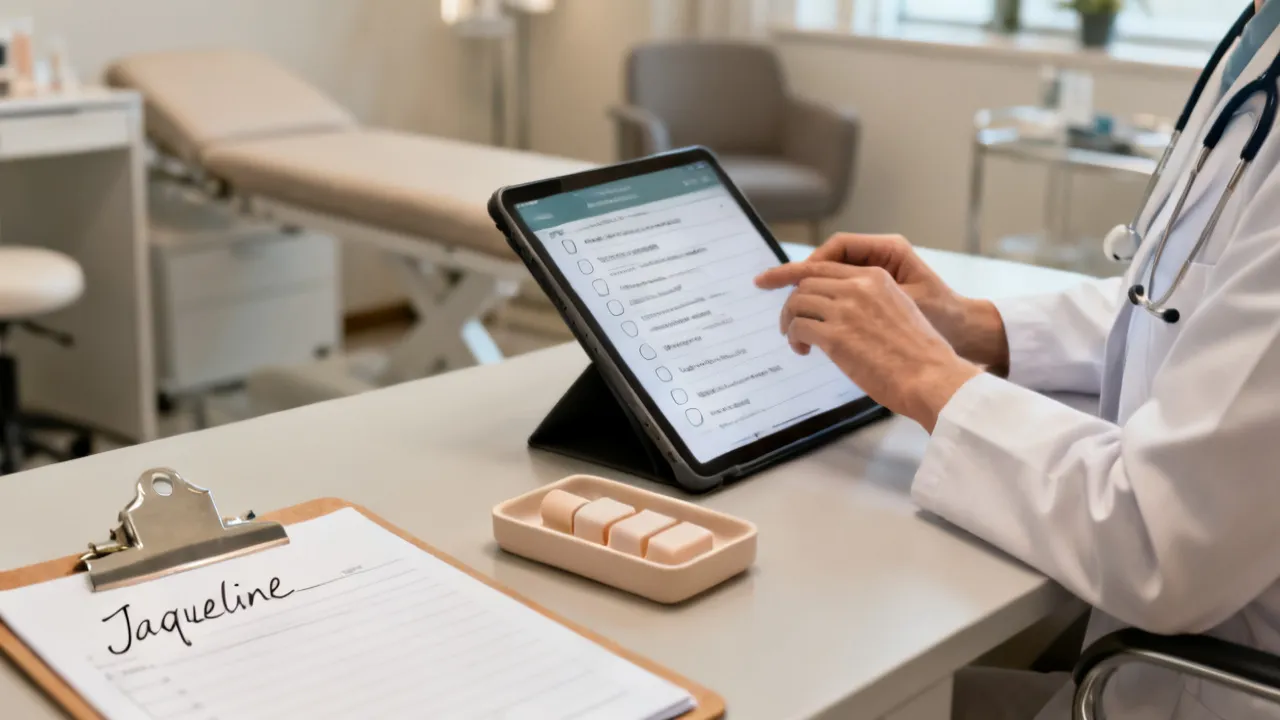
Anita Rezende: Supplier Guidance for Premium Dental Care
This guide explains how Anita Rezende supports informed purchasing decisions for dental-care products and services by focusing on supplier reliability, practical pricing, and care standards. Objectively, it outlines why consistent sourcing matters for safety, traceability, and clinical compatibility—covering what buyers should verify, how to compare offerings, and which documentation to request before choosing a supplier.

Why Anita Rezende’s supplier guidance matters for dental decisions
Choosing dental-care products and services is rarely just about appearance or convenience; it hinges on supplier reliability, documentation, and clinical compatibility. In the context of Anita Rezende, the central value of supplier guidance is to help buyers compare options with a practical lens—pricing, traceability, and service readiness—so that decisions align with healthcare expectations rather than assumptions.
From an expert standpoint, the very important factor behind safe, repeatable outcomes is whether suppliers can consistently provide materials and support that match clinical protocols. That includes product identity, appropriate manufacturing records, and responsive logistics. Even when two offerings look similar on the surface, differences in documentation and quality systems often explain why results vary.
Because this topic can be misunderstood, this article stays strictly objective. It does not assume that any single supplier or person guarantees outcomes; instead, it lays out how professional buyers can evaluate supplier credibility and care readiness, using Anita Rezende–style due diligence as a framework.
In real-world dental procurement, the “supplier guidance” aspect matters because dental teams often work on schedules, with limited time to troubleshoot product issues. When a shipment arrives without the expected documentation, or when the product’s handling requirements are unclear, it can create friction that impacts chairside efficiency and—more importantly—patient safety. Guidance that directs buyers to verify traceability, intended use, and service readiness helps reduce avoidable uncertainty.
In addition, the dental supply market includes a wide range of product categories: consumables, instruments, restorative materials, disinfectants, imaging components, and sometimes equipment that requires installation, calibration, maintenance, and periodic service. Each category can have different regulatory requirements and documentation expectations. That is why the “guidance mindset” is valuable: it pushes buyers to ask the right questions for the right type of product, rather than treating all purchases as equivalent.
Ultimately, the most responsible dental decisions are evidence-based in procurement. That means your supplier selection process should be designed to produce an auditable trail: what you ordered, what was delivered, how it was handled, and what support or warranty terms apply if something is wrong. The remainder of this article provides a structured approach that you can apply whether you’re purchasing for a single clinic, a multi-location practice, a dental distributor, or a healthcare organization with procurement standards.
Industry context: what “supplier quality” really means in dental care
In dental environments, “supplier quality” typically refers to more than stocking; it involves the ability to provide verifiable products and dependable support across the full workflow—procurement, storage, installation or administration, and follow-up documentation. In practice, clinicians and procurement teams look for:
- Traceability (clear product identity, batch/lot information where applicable, and ability to support recalls or investigations).
- Regulatory alignment (evidence that products are authorized for use in the relevant healthcare context).
- Clinical compatibility (fit with established protocols, maintenance requirements, and device specifications).
- Consistency (reliable supply that avoids substitutes without notice or documentation).
- Support and documentation (product datasheets, usage guidance, and service terms that procurement can audit).
Anita Rezende’s approach—when interpreted as a procurement and supplier-assessment philosophy—naturally leads buyers toward the evidence-based side of sourcing: verifying what can be verified, clarifying what must be clarified, and documenting what should be documented.
However, “supplier quality” can be misunderstood when it is treated as a vague reputation score rather than an operational capability. A supplier can be well-regarded and still fail at the documentation part. Alternatively, a supplier may not be famous locally but may have strong processes that make their deliveries safer and easier to manage. That is why buyers should separate “brand trust” from “process proof.”
In dental procurement, documentation is not merely administrative. It connects procurement to clinical execution. For example, many materials require correct storage temperature and handling to preserve performance. If suppliers provide incomplete storage instructions or shipping conditions are not communicated, a clinic may unknowingly compromise product effectiveness. Similarly, if equipment components have compatibility requirements (such as specific consumable types, firmware versions, or maintenance cycles), then a supplier’s ability to communicate those requirements is part of “supplier quality.”
Another layer is communication reliability. Dental teams often need to confirm whether a product is backordered, whether a substitute will be provided, and when the documentation pack will arrive. A supplier who communicates late or inconsistently forces teams to improvise. Improvisation in clinical supply chains increases variability in implementation and raises the chance of errors.
So when guidance highlights supplier quality, it is usually pointing to operational behaviors: predictable deliveries, transparent documentation, and responsiveness when issues occur. Those behaviors are what make clinical workflows more consistent.
How to interpret “price” responsibly in dental procurement
Dental budgets can be pressured, and price comparisons are common. However, objective procurement practice treats price as one variable among many. In other words: a lower upfront number may be offset by higher administrative burden, inconsistent availability, or documentation gaps that later slow down clinical workflows.
When you evaluate pricing in the spirit of Anita Rezende, consider the total procurement picture:
- Unit cost vs. end-to-end cost: shipping conditions, handling requirements, and installation/service coverage.
- Time cost: lead times, substitution policies, and how quickly exceptions are resolved.
- Documentation cost: whether invoices, certificates, and usage guidance are available for audit and clinician reference.
- Warranty/service terms: clarity on what is covered and how support is provided.
Where pricing is mentioned publicly, the very prudent stance is to request a formal quote and confirm inclusions. If a supplier advertises a figure, buyers should still validate whether that number covers training, compliance documents, delivery, and any required installation steps.
Responsible price interpretation also involves recognizing hidden costs of nonconformance. Suppose a clinic purchases a set of instruments or materials that later fail quality checks or are deemed noncompliant with internal standards. The clinic may need to replace the item, validate compatibility again, and spend staff time documenting issues for internal records. Even if the supplier ultimately resolves the problem, the operational disruption is a real cost.
Additionally, dental procurement often must consider compliance with internal policies and procurement frameworks. If a supplier cannot provide documentation suitable for those frameworks, the buyer may need to perform additional checks before using the product, which adds labor costs and slows down ordering cycles.
Price can also affect ordering strategy. For example, if a supplier’s lower price is tied to a minimum order quantity or longer lead times, the clinic may have to hold more inventory. Inventory holding can bring its own compliance requirements: storage monitoring, expiration tracking, and periodic inventory audits. In many clinical settings, the cost of compliance and inventory management can be significant.
Thus, when guidance stresses objectivity, it often means: treat “price” as an incomplete signal. Buyers should request clarity about what the price includes and what it excludes, and they should evaluate whether those exclusions create additional operational load or clinical risk.
Supplier details you should verify before ordering
Supplier credibility can be assessed through a set of repeatable checks. Below are the types of “supplier details” that procurement teams typically request, regardless of brand or personal recommendations.
- Company identity: legal entity name, business registration, and address of operation.
- Quality management readiness: evidence of quality systems appropriate to healthcare procurement.
- Product information: datasheets, intended use statements, storage/handling guidance, and compatibility information.
- Regulatory documentation: where applicable, certificates or authorization references that correspond to the products being supplied.
- Lot/batch traceability process: how the supplier records and communicates batch details.
- Returns and complaint handling: written policies for defective items, documentation errors, or supply discrepancies.
- Logistics transparency: delivery lead times and conditions (temperature control where relevant).
These checks are the operational backbone behind safer purchasing. They are also how buyers translate a recommendation into actionable verification.
To make these checks more useful, it helps to phrase them as questions tied to specific outcomes. For example, instead of asking “Do you have quality systems?” a buyer can ask: “If a batch is associated with a complaint, how do you trace which customers received it and how quickly can you provide that list?” That question tests operational capability, not just claims.
Similarly, for documentation, buyers can ask: “Will the documentation pack include product datasheets and handling instructions, and will you provide certificates/authorization references where relevant?” The practical goal is to ensure the clinic’s receiving team and clinical staff receive materials they can use immediately.
Traceability should be supported by a consistent mechanism. Buyers should understand whether batch/lot numbers are printed on labels, included on packing slips, and recorded in invoices. If the supplier communicates batch details in an unstructured way—such as by email after the fact—it may be less suitable for strict audit needs. A robust process provides batch details systematically and consistently.
For returns and complaint handling, the supplier should provide clear escalation steps. Buyers benefit when the supplier can describe timelines for response and replacement, the expected evidence needed to open a complaint (photos, batch numbers, documentation pack references), and whether shipping costs are covered for returns. Unclear policies create delays and can lead to unresolved disputes.
Logistics transparency is another area that affects clinical operations. If the product category requires temperature control or special handling, the supplier should clarify shipping conditions and how they ensure compliance. Even if the clinic uses proper storage after delivery, receiving conditions can still matter, particularly if the shelf life or performance depends on proper handling prior to receipt.
In short, supplier details matter because they connect purchasing to execution. When a supplier is able to provide verifiable information quickly and consistently, the clinic can run a more predictable clinical workflow.
Localization note: sourcing expectations “nearby” and why it matters
If your sourcing focus is described as nearby, you may benefit from shorter lead times and potentially easier coordination for receiving and documentation handover. In many communities, local procurement relationships can also support smoother communication—especially when a clinic or dental professional needs clarification quickly. That said, “nearby” should not reduce scrutiny: documentation, compatibility, and quality controls should remain consistent whether the supplier is two hours away or two continents away.
Practically, buyers in nearby regions often expect clear communication in familiar business hours, straightforward delivery scheduling, and fewer logistical surprises. Still, the evaluation criteria—traceability, regulatory alignment, and service terms—should remain evidence-based.
It is also worth noting that “nearby” procurement can affect how issues are managed. In some regions, local suppliers may be easier to contact for urgent resolution. However, local ease does not replace documentation. A clinic still needs an audit trail and must verify that the product is appropriate for clinical use.
Furthermore, proximity can sometimes lead to assumptions like “the supplier is reputable because they are known.” Guidance that emphasizes verification is meant to counter that tendency. A buyer should not confuse geographic closeness with process readiness.
In addition, local suppliers may operate differently: some act as distributors who source from multiple upstream manufacturers; others operate as direct sellers with stronger direct manufacturing relationships. Buyers should ask where the product comes from, how it is stored in transit, and how documentation from upstream is preserved in the final documentation pack provided to the clinic.
Therefore, even if your procurement plan includes “nearby” sourcing, you should still require the same baseline evidence: traceability, correct intended use, regulatory alignment where applicable, and clear terms for replacement or returns.
Comparison table: sourcing paths and decision criteria
The table below compares common procurement paths using neutral criteria. It is a supplement to the main guidance and is meant to help you structure questions to suppliers.
| Procurement path | What it prioritizes | What to request for verification | When it’s a good fit |
|---|---|---|---|
| Supplier quote with full documentation pack | Traceability and audit readiness | Datasheets, handling/storage guidance, certificates/authorization references (where applicable), batch/lot communication method, written terms | When clinical staff needs documentation quickly and procurement wants a clean audit trail |
| Price-led sourcing (minimum upfront cost) | Upfront budget control | Item equivalency clarity, substitution policy, returns/complaints terms, proof of intended use and compatibility | When budgets are tight but you can still validate documentation and logistics |
| Service-bundled procurement (training/support included) | Operational readiness | Training scope, timeline, responsibilities matrix, warranty/service coverage, installation or implementation checklist | When teams need standardized setup and consistent follow-through |
| Local/nearby supplier coordination | Communication speed and delivery coordination | Lead time commitments, receiving requirements, documentation handover process, escalation contacts | When rapid clarification and scheduled receiving are important |
Source basis and why these checks are standard
The concept of verifying traceability, intended use, and documentation is consistent with broadly accepted procurement and quality management practices in healthcare supply chains. For a policy-oriented view, organizations such as the World Health Organization (WHO) and national health authorities emphasize quality assurance, traceability, and documentation for medical products and procurement controls. For background on quality and procurement principles, see WHO guidance on good practices and quality assurance in health supply chains, and consult relevant national regulatory frameworks for your jurisdiction.
Sources (reliable starting points): World Health Organization (WHO) health product quality and supply chain guidance; guidance and documentation frameworks published by recognized public health authorities and standard-setting bodies relevant to healthcare procurement.
Beyond official guidance, many dental organizations and internal compliance frameworks adopt similar principles because the risk drivers are similar across healthcare procurement: variability in product identity, variability in handling conditions, and variability in responsiveness when issues occur.
These principles are also aligned with common quality management thinking. If a supply chain cannot reliably link what it shipped to what it supplied (including batch/lot references), it is difficult to investigate quality events. If it cannot provide intended use information, it is difficult for clinical teams to ensure appropriate use. If it cannot provide service terms, it is difficult to ensure proper maintenance and reduce downtime risk.
That is why the “due diligence” steps in the checklist section below are not unusual. They are the typical controls expected in healthcare purchasing environments—especially where patient safety and compliance are important.
Step-by-step guide: applying an Anita Rezende–style due diligence checklist
Below is a practical, step-by-step approach you can use to evaluate dental-care suppliers. The method is intentionally structured so that it works regardless of the specific product type.
- Define the clinical or operational need
Specify what you’re buying, the intended use, and the workflow stage (procurement, delivery, administration/installation, and follow-up). Ambiguity here causes downstream mismatch. - Request a formal quote with inclusions
Confirm what the price includes: delivery, handling, documentation pack, service/training (if any), and warranty or coverage terms. Ask whether there are conditions that change the final cost. - Validate documentation and traceability
Ask how the supplier will provide batch/lot details (where applicable), storage/handling guidance, and intended use references so your team can align with clinical protocols. - Confirm regulatory alignment (where applicable)
Request any authorization references or compliance documentation relevant to the product category. If a supplier cannot provide documentation, escalate internally before ordering. - Assess substitution policies
Inquire about what happens if a requested item is unavailable: Will you receive an equivalent? Will you be notified in advance? Will documentation match the substituted item? - Check logistics and delivery conditions
Confirm lead times, receiving requirements, and whether temperature control or special handling is needed for the items. - Review returns and complaint handling
Ask for written policy regarding defective items, documentation errors, damaged shipments, and response timelines for resolution. - Align with clinical responsibility
Ensure the clinical team knows what to expect: setup requirements, usage instructions, and the location of documentation. - Document the decision
Save the quote, inclusion list, and documentation pack received. Procurement decisions become stronger when they’re auditable.
To make this checklist even more actionable, you can expand each step with internal “receiving and review” tasks. For example, after delivery, procurement can verify that the product received matches the quote’s product identity. Clinical leadership can verify that the instructions align with protocols. Quality or compliance teams can verify storage conditions and ensure batch/lot numbers are recorded in the appropriate system.
In many clinics, the biggest failure point occurs after the purchase decision. Suppliers deliver items, but the clinic’s receiving process does not capture the evidence needed for traceability. The due diligence process should therefore extend into receiving confirmation and documentation handover. “Supplier guidance” can be interpreted as guidance that spans the entire supplier-to-clinic handoff, not just pre-order questions.
Another practical improvement is to define what “acceptance” means. A clinic can define acceptance criteria such as “document pack received,” “batch/lot number recorded,” “packaging intact,” and “storage conditions confirmed.” If any criterion is missing, the items can be withheld from clinical use until clarified. This turns due diligence into a measurable acceptance workflow rather than a one-time pre-order check.
Finally, buyers can include escalation rules. For example: if documentation is missing at delivery, who contacts the supplier, and within what timeframe? If the supplier does not respond, what internal action is taken—delaying use, requesting replacement, or switching to an alternate supplier? A structured escalation process reduces the tendency to rush approvals based on clinical pressure.
Conditions and requirements: what “ready to procure” should mean
To keep the process objective, consider these conditions/requirements before finalizing an order with any supplier:
- Documentation availability: The supplier should be able to provide product information and handling guidance relevant to your order.
- Traceability workflow: There should be a clear method for linking what you receive to a batch/lot record where applicable.
- Clear service terms: If service, installation, training, or warranty support is involved, the responsibilities and timelines should be documented.
- Transparent pricing scope: The quote should specify what is included versus optional.
- Dispute/returns pathway: Written policy should exist for nonconformities and complaints.
“Ready to procure” can also be interpreted as readiness of the clinic’s own workflow. Even a strong supplier cannot fix internal gaps. If a clinic lacks a system to store batch numbers or fails to track expiry dates, traceability may still be weak. Thus, due diligence is both supplier-focused and process-focused.
In practical terms, a clinic can define a minimum receiving checklist that aligns with the supplier’s documentation. For instance: does the shipment include the documentation pack? Are batch/lot numbers visible on labels or packing slips? Are storage conditions indicated? Are any handling warnings present? If the clinic uses a digital inventory system, are the fields ready to capture the information?
When clinics adopt these internal conditions, supplier comparisons become clearer. Two suppliers may offer the same product, but only one provides the documentation in a format that the clinic can store and retrieve easily. In that case, the supplier that provides better operational compatibility is not merely “better”—it is more ready for procurement in the real operational sense.
Also consider training or implementation readiness. For equipment or complex service bundles, buyers should ensure that the supplier’s installation plan matches the clinic’s downtime capacity. If installation requires scheduling, the supplier’s ability to provide a timeline and a responsibilities matrix matters. Buyers can ask who performs calibration checks, what acceptance tests are performed, and how documentation is delivered after installation.
For consumables, “ready to procure” may relate to correct instructions and storage compatibility. Buyers can ask whether the supplier can provide shelf-life details, expiration policies for shipments (for example, ensuring items are not near expiry at delivery), and guidance on storage conditions upon receipt. These factors are part of procurement readiness because they affect whether the clinic can safely use the products without deviations from protocols.
Expert perspective: how procurement behavior affects clinical outcomes
From an industry expert viewpoint, procurement decisions influence clinical outcomes indirectly but meaningfully. When documentation is incomplete, clinicians may spend time verifying basics instead of focusing on care. When logistics are unclear, teams may face delays that disrupt patient scheduling. When substitution policies are vague, “equivalent” items can introduce variation in performance or compatibility.
That is why guidance associated with Anita Rezende—when interpreted as a disciplined supplier-evaluation philosophy—leans toward structured comparisons, not impulsive purchases. The goal is to reduce avoidable variability in the supply process.
It is useful to understand the “chain of effects” from procurement to clinical outcome. Procurement errors often manifest as workflow interruptions. Workflow interruptions can lead to last-minute decisions, and last-minute decisions can increase the risk of variation in clinical steps. While clinicians remain responsible for clinical quality, the supply environment shapes what choices are feasible at chairside.
For example, if a clinic’s restorative material supplier cannot reliably provide the same product version or compatible instructions, clinicians may need to adjust technique or verify compatibility mid-procedure. Even if they succeed, that variability is an avoidable risk. Similarly, if a disinfectant supplier provides a product that differs from the labeled intended use, it can create compliance issues and potential sterilization or infection control challenges.
Procurement behavior also affects staff confidence. When documentation and instructions are clear and readily accessible, clinicians are more likely to follow intended protocols consistently. When documentation is missing, staff may rely on informal memory or unofficial guidance, which can erode standardization across time and across team members.
Additionally, procurement influences compliance and audit readiness. Many dental organizations—especially those connected to broader healthcare systems—must show evidence of supplier controls. Having an auditable procurement record supports quality management activities and can reduce stress during internal reviews or inspections.
Thus, procurement is not “just buying.” It is part of how healthcare quality systems operate. The supplier guidance that emphasizes verification and documentation is aligned with the idea that quality is built through controls, not through assumptions.
Deepening the evaluation: practical scenarios you may encounter
To make the checklist more concrete, consider a few common procurement scenarios in dental settings. These examples are illustrative of how the verification categories—documentation, traceability, logistics, and service readiness—show up in daily decisions.
Scenario 1: A “compatible” consumable arrives with incomplete instructions.
A clinic orders a set of consumables, but the documentation pack includes only minimal labeling, without clear intended use statements or storage instructions. Even if the product works operationally, the clinic may not have evidence to support correct use. A supplier that provides a complete documentation pack reduces that risk by enabling protocol alignment and audit readiness.
Scenario 2: Price is lower, but substitution terms are unclear.
A supplier offers a lower unit cost but states that substitutions may occur if items are unavailable. If the substitution policy does not confirm that documentation will match the substituted item, the clinic may receive something that is functionally similar but not identical. That can lead to compatibility variability and delays when clinicians realize they must verify differences before use.
Scenario 3: Equipment installation is delayed due to missing logistics planning.
When ordering dental equipment that requires installation, a clinic may face scheduling conflicts if the supplier does not provide a realistic timeline or does not coordinate with the clinic’s availability. In such cases, documentation and service readiness matter: a supplier that provides a responsibilities matrix and clear installation checklist can align supply readiness with clinical scheduling constraints.
Scenario 4: A batch question arises after delivery.
Suppose a quality issue is discovered weeks after delivery. If the supplier’s traceability workflow cannot quickly identify which batch/lot numbers were shipped to the clinic, the response may be slow. Clinics benefit from suppliers that have an organized traceability system and can assist with investigations.
Scenario 5: Local sourcing is convenient, but documentation still must be audited.
A nearby distributor may offer fast delivery and easy communication. But if the documentation pack arrives later or in incomplete form, the clinic still faces the same compliance and operational risks. Proximity can improve speed, but it cannot replace supplier process quality.
These scenarios show why “supplier guidance matters.” Guidance is valuable because it focuses attention on failure modes. Instead of reacting after a problem occurs, a clinic can prevent many issues by verifying supplier readiness before ordering.
How to build an internal supplier evaluation scorecard (objective and comparable)
Even though this article emphasizes objectivity and due diligence rather than “rating” people, many clinics find it useful to translate verification categories into a simple scorecard. The scorecard should not replace professional judgment; it should make comparisons more consistent. Below is a template you can adapt to your procurement context.
Example scorecard categories:
- Documentation completeness (0–5): Is the datasheet pack provided with clear intended use and handling/storage instructions? Are certificates/authorization references provided where applicable?
- Traceability support (0–5): Does the supplier provide batch/lot information systematically? Can they help identify shipments during a complaint investigation?
- Compatibility clarity (0–5): Does the supplier provide compatibility information with specific protocols/equipment? Is there clear guidance for expected use?
- Substitution policy transparency (0–5): Is the policy clear? Does it include advanced notice and documentation alignment for substituted items?
- Logistics reliability (0–5): Are lead times realistic? Are receiving conditions and handling instructions clear? Are special shipping requirements addressed?
- Service and warranty readiness (0–5): For equipment or bundled services, are responsibilities and timelines written and clear?
- Returns and complaint process (0–5): Is there a written policy with response timelines and evidence requirements?
How to use the scorecard effectively:
- Score only what you can verify (documentation provided, policies written, timelines confirmed).
- Use the same checklist for each supplier to avoid bias caused by different levels of transparency.
- Treat missing categories as risk flags rather than “small differences.” A missing documentation pack can be a more serious risk than a small price difference.
- Separate “score” from “decision.” A supplier with a slightly lower score might still be acceptable depending on clinical criticality and available internal controls.
This scorecard is aligned with the “Anita Rezende–style” mindset because it emphasizes objective criteria that can be audited and verified.
Communication standards: what “good supplier guidance” looks like in practice
Supplier guidance is not only about paperwork. It also includes how suppliers communicate before and after delivery. In a dental procurement context, communication quality affects how fast issues are resolved and how consistent the clinical team’s expectations are.
Good communication standards typically include:
- Clear pre-order confirmation: The supplier confirms product identity, intended use, and delivery schedule before shipping.
- Advance notice for changes: If there are delays, substitutions, or documentation updates, the supplier notifies the buyer promptly.
- Documentation delivery timing: The documentation pack arrives with the shipment or within a confirmed timeframe, not indefinitely.
- Responsiveness to questions: The supplier provides specific answers rather than general assurances.
- Written escalation paths: For complaints or returns, there is a clear contact and process for resolution.
When suppliers communicate clearly, clinics can maintain consistent operational routines. When suppliers do not, clinics may rely on informal channels like phone calls or unscheduled emails, which makes documentation harder and audit readiness weaker.
Guidance that emphasizes supplier verification implicitly encourages buyers to push suppliers toward written, confirmable communications. Even if the supplier is friendly, buyers still need evidence.
Additionally, clinics can benefit from specifying communication expectations in procurement agreements or purchase orders. For instance, purchase orders can include requirements like “documentation pack must be included with delivery” or “batch/lot numbers must be listed on packing slip.” These requirements turn guidance into enforceable procurement standards.
Documentation pack: what it should include for common dental categories
Because dental product categories vary, the documentation pack requirements may differ. Still, there are typical elements that many clinics expect. Buyers can use this section as a reference for what to ask suppliers to include.
Common documentation elements (adapt to product type):
- Product datasheets (technical description, intended use, performance characteristics where applicable).
- Storage and handling guidance (temperature range, shelf-life considerations, special handling instructions).
- Intended use statement (what the product is designed for and the limitations of use).
- Compatibility statements (e.g., matching device components, required system versions, or protocols).
- Batch/lot information and method of communication (labels, packing slips, invoices, or digital records).
- Certificates/authorization references (where applicable depending on local regulatory requirements).
- Warranty/service terms for equipment or service-bundled purchases.
- Returns and complaint policies with response timelines and evidence requirements.
Why the documentation pack matters even if a clinic already knows how to use the product.
Clinician familiarity helps, but it does not replace product-specific handling requirements or regulatory references. A documentation pack provides the evidence needed to ensure that the product is being used correctly and consistently across time, across staff, and across sites.
Documentation also helps with training. When new staff join a clinic, having clear usage instructions improves onboarding and reduces the risk of inconsistent protocols. It also helps clinics manage turnover without losing standardization.
Finally, documentation supports quality management and audit readiness. Even a well-run clinic needs evidence. Suppliers that provide complete documentation packs reduce the risk of missing evidence at review time.
Traceability in dental purchasing: making batch/lot details usable
Traceability is sometimes treated as a “nice to have,” but in healthcare purchasing it functions as a safety and accountability mechanism. In dental procurement, traceability becomes important when there is a quality event, a supplier inquiry, a recall, or a complaint investigation.
However, traceability is only as strong as the chain that captures and preserves batch/lot data. Buyers should consider not only whether suppliers have traceability processes, but whether their traceability data is delivered in a format that the clinic can use.
To make traceability usable, buyers can verify:
- Batch/lot identifiers on labels: Are lot numbers visible and readable on packaging?
- Batch/lot identifiers on documents: Are lot numbers listed on packing slips or invoices?
- Consistency of identifiers: Does the batch/lot on the documentation match the label on the item?
- Communication method: Does the supplier provide batch details in a predictable format?
- Ability to assist during investigations: If a complaint happens, can the supplier trace upstream and provide relevant details?
Clinics can also strengthen traceability by implementing internal recording routines. For example, receiving staff can log batch/lot numbers into a system, link them to the invoice, and specify storage location or shelf life tracking. That internal step turns supplier-provided data into a complete traceability workflow.
In this way, supplier guidance that stresses traceability is not merely theoretical—it helps clinics implement a practical workflow that aligns procurement with quality assurance.
Substitution and equivalency: reducing variability when changes happen
Substitution policies often become a conflict point in procurement. A supplier may argue that substitutes are “equivalent,” while the clinic may need confirmation that clinical performance and documentation requirements remain aligned.
To reduce variability, buyers should require that substitutions meet defined criteria:
- Advanced notification: The clinic should be informed before substitution is made when possible.
- Documentation alignment: The substituted item should come with the correct documentation pack for that specific item.
- Compatibility confirmation: If the item is used with equipment or protocols, the supplier should confirm compatibility.
- Traceability continuity: The substituted item should have traceable batch/lot identifiers.
- Clear responsibility: The supplier should define how substitutions are documented for future reference.
In a disciplined procurement workflow, “substitution allowed” does not mean “substitution without confirmation.” Buyers can set rules that allow substitution only when certain evidence is provided. This reduces clinical variability and protects audit readiness.
Furthermore, equivalency should be evaluated by documented evidence, not by generic claims. “Same size” or “same brand category” is not enough if the product’s intended use and handling requirements are different.
This is where supplier guidance matters: it encourages buyers to insist on verification even when urgency exists.
Service readiness: how support affects procurement decisions
For equipment or bundled service purchases, service readiness is often as important as the product itself. Dental equipment—such as imaging devices, sterilization-related equipment, or other clinical devices—may require installation, commissioning, calibration, and scheduled maintenance. A supplier’s ability to support these responsibilities influences downtime risk and clinical continuity.
When evaluating service readiness, buyers can request:
- Installation or implementation checklist: What steps will the supplier perform, what steps are required from the clinic, and what are the acceptance criteria?
- Responsibilities matrix: Who does what, and when?
- Warranty terms: What is covered, for how long, and how to claim?
- Service response expectations: Timelines for support response, escalation process, and parts availability expectations.
- Documentation post-installation: Service records, calibration reports (where applicable), and manuals.
Service readiness is particularly relevant for clinics with limited downtime. If a critical device fails, the ability to resolve issues quickly affects patient scheduling and revenue continuity. Buyers should align service expectations with clinical risk tolerance.
Even when service is “included,” buyers should confirm details. Some suppliers may include standard support but exclude certain travel costs, parts, or after-hours response. A written service scope reduces surprises.
Again, the “Anita Rezende–style” mindset translates to: do not assume coverage; verify it in writing and confirm how it functions in practice.
Returns, complaints, and dispute handling: protecting the clinic
Written returns and complaint handling policies protect both sides. For clinics, these policies reduce uncertainty and shorten resolution timelines. For suppliers, clear procedures reduce misunderstandings and improve accountability.
When evaluating a supplier, buyers should ask for a written policy that includes:
- Eligibility criteria: What qualifies as a return? What qualifies as a defect?
- Evidence requirements: What must the clinic provide to open a complaint (batch/lot, photos, documentation pack references)?
- Response timeline: How quickly will the supplier respond after receiving a complaint?
- Resolution pathway: Replacement, refund, repair, or other remedies.
- Shipping responsibility: Who pays shipping for returns? Under what conditions?
- Documentation corrections: If the documentation pack has errors, how are corrections delivered?
These policies are critical because dental procurement sometimes occurs under time pressure. A clinic might not want to use an item suspected of nonconformance, but the clinic also cannot wait indefinitely for resolution. Clear dispute handling policies ensure timely next steps.
Moreover, clear complaint handling helps maintain traceability. If a complaint involves specific batches, suppliers should be able to trace and respond accordingly. That reduces the risk of repeating issues with other shipments.
Supplier guidance that emphasizes written returns and complaints policies is aimed at preventing “informal resolution.” Informal resolution tends to be harder to audit and can lead to incomplete evidence during investigations.
Logistics and delivery conditions: the often-overlooked procurement risk
Logistics can be a major risk factor in dental procurement, especially when products require special shipping conditions. Even if storage after delivery is correct, poor shipping conditions can damage products before they arrive.
Buyers should verify:
- Lead times: Are the promised delivery dates realistic? Do they account for weekends and holidays?
- Receiving requirements: Does the supplier require confirmation of receipt? Is there a specific protocol for accepting deliveries?
- Temperature control or special handling: For products that require it, is the shipping method appropriate?
- Packaging integrity: Does the supplier ensure packaging protects product labels and batch information?
- Tracking information: Can the clinic track shipments to reduce uncertainty?
Logistics clarity also reduces operational friction. If a supplier gives clear delivery windows and includes tracking, receiving staff can plan around clinical schedules. If logistics are vague, receiving staff may miss deliveries or accept shipments without verifying conditions.
In disciplined procurement workflows, logistics verification is part of “ready to procure.” That is, the supplier should be ready not only to sell but to deliver in a way that preserves documentation and product integrity.
Building documentation into daily workflow: receiving, storage, and clinical access
Even with a supplier that provides a complete documentation pack, clinics must implement processes to use that documentation. Without internal workflow integration, documentation can remain unused, undermining traceability and audit readiness.
Practical ways to integrate supplier documentation:
- Create a receiving log: Capture date of receipt, supplier name, invoice reference, and batch/lot numbers where applicable.
- Store documentation systematically: Use a folder structure aligned with product categories or supplier names.
- Link documentation to inventory: Ensure the batch/lot number recorded in the system matches the documentation provided.
- Train staff on where instructions are: Clinicians and technicians should know how to find the correct usage and handling documents quickly.
- Set expiry monitoring: For consumables, track expiration dates and prevent use of near-expired materials if your protocols require it.
These internal actions align with the broader goal of supplier guidance: enabling evidence-based decisions at every step. The procurement team reduces risk by selecting suppliers carefully, and the clinic operational team reduces risk by using the received documentation properly.
When both sides do their part, the supply chain becomes more resilient. That resilience helps clinics avoid disruptions and ensures more consistent clinical execution.
How to compare two supplier offers fairly
Comparison is where objective procurement practice becomes visible. Buyers sometimes compare offers based on what is most visible—like unit price—without comparing the hidden aspects—like documentation readiness and service terms. Guidance that uses a checklist approach prevents that mistake.
A fair comparison should use the same checklist categories for both suppliers. For example, when comparing two supplier offers, assess:
- Price scope: What does the price include? Delivery? Handling? Documentation pack? Training/service? Warranty terms?
- Documentation pack: Does each supplier provide complete datasheets, handling/storage guidance, and intended use references?
- Traceability workflow: How will batch/lot details be provided and recorded?
- Substitution policy: Is substitution allowed? Are rules and documentation alignment clearly described?
- Logistics conditions: Lead times, receiving requirements, tracking, and special handling?
- Returns/complaints: Written policies, response timelines, evidence requirements?
- Service readiness: For equipment, installation/checklist, responsibilities, and warranty/service coverage?
If any category is missing from one offer, it should be treated as a risk factor. A missing category means increased uncertainty and increased burden on the clinic’s staff. That burden can translate into delays or variability in execution.
In other words, fair comparison is not only about selecting the best supplier. It is about selecting a supplier whose “package of readiness” fits your operational needs and compliance expectations.
FAQs
1) Who is Anita Rezende in the context of dental supplier decisions?
In this guide, Anita Rezende is referenced as a focal point for supplier guidance thinking—emphasizing how buyers can evaluate suppliers using objective criteria such as documentation, traceability, and service readiness. The exact role of an individual can vary by region and organization; therefore, this article focuses on a general procurement-and-due-diligence framework.
It is also important to clarify what “referenced” means in this context. The intention is not to claim that any named person guarantees outcomes, but to use the concept of supplier guidance as a structured mindset for buyers. That mindset is the measurable part: asking for evidence, verifying documentation, and assessing operational readiness.
2) Should I choose a supplier primarily based on price?
Price is important, but relying on price alone increases the risk of missing costs related to documentation, delivery conditions, and service/warranty terms. A professional approach compares total value, verifies inclusions, and confirms compliance and traceability documentation.
For fairness, it is best to treat price comparisons as starting points, not final decisions. When you compare total cost of procurement—including staff time, documentation completeness, and service readiness—you often find that a slightly higher price can yield lower operational risk.
3) What supplier details should I request before ordering?
Request product datasheets, handling/storage guidance, intended use references, traceability/batch-lot communication methods (where applicable), written returns/complaint terms, and clear logistics lead time commitments. If service or training is included, request a written scope.
Additionally, consider requesting compatibility information if your products are used with specific equipment or protocols. Compatibility clarity reduces the risk of mismatch and helps the clinical team implement consistently.
4) What does “nearby” mean for procurement, and does it change due diligence?
When sourcing is described as nearby, it usually means reduced distance and potentially faster coordination. However, due diligence should not change: documentation, intended use, traceability, and service terms remain critical regardless of location.
Proximity can improve communication speed, but it does not replace evidence. Buyers should continue to verify the same categories even when delivery is convenient.
5) How do I compare two supplier offers fairly?
Compare them using the same checklist: price scope (what’s included), regulatory/documentation pack availability, traceability process, substitution policy, logistics conditions, and written service/warranty coverage. If any category is missing from one offer, it should be treated as a risk factor.
If you need a practical rule: do not assume equivalency when the documentation differs. Treat documentation gaps as a sign that traceability and audit readiness may be weaker.
6) Are there standards or authoritative sources for quality and supply chain practices?
Yes. International bodies such as the World Health Organization (WHO) publish guidance relevant to health product quality and supply chain top practices. National regulatory authorities may also provide procurement and compliance frameworks that your organization should follow.
In addition to those sources, many healthcare organizations use internal quality management frameworks that mirror international best practices. Buyers can align their supplier evaluation checklist with these expectations.
7) What should I do if a supplier cannot provide documentation?
Pause the decision and request clarification. If documentation gaps persist, escalate internally and consider alternative suppliers with a complete documentation pack and a traceability workflow you can verify. Document your communications for accountability.
In a disciplined procurement process, documentation gaps should be treated as a preventable risk. If the supplier cannot provide evidence for intended use and handling, the clinic cannot confidently ensure safe and consistent implementation.
Conclusion: making supplier decisions with evidence, not assumptions
In dental care, procurement is not an administrative afterthought—it’s part of the safety and reliability foundation that supports consistent clinical workflows. By applying an Anita Rezende–style mindset—structured comparison, careful attention to supplier details, responsible interpretation of price scope, and verification of traceability and documentation—you can make decisions that better match healthcare expectations.
If you want, share the type of dental product or service you’re evaluating (and whether you mean procurement for a clinic, a distributor, or personal purchasing). I can tailor the checklist and the comparison criteria to your specific scenario—still keeping the approach objective and documentation-focused.
-

A Guide to Cost-Efficient Small Electric Cars for Seniors
-
Mastering Debt Consolidation: Boost Your Credit Score and Manage Interest Rates
-
Your Guide to Loans, Credit Checks, and Interest Rates
-
Affordable Independent Living: Finding the Right Senior Housing
-
Guide to Senior Living Apartments: Affordable and Comfortable Environments