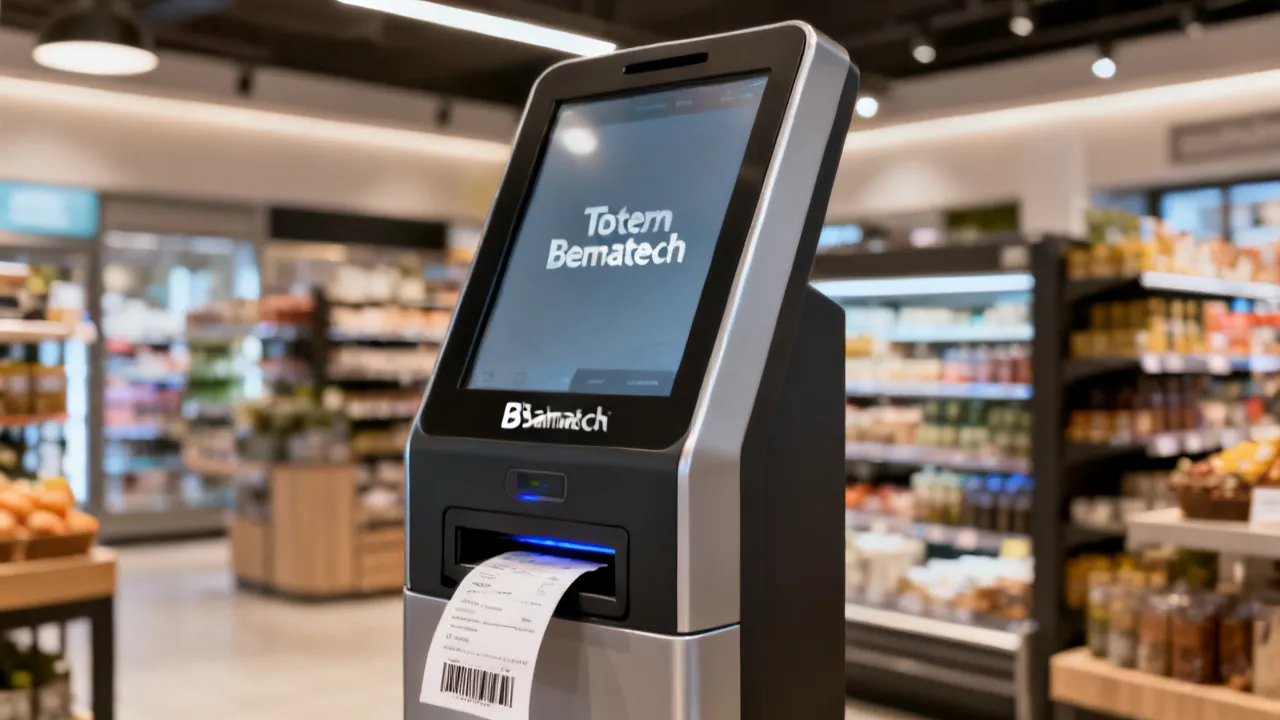
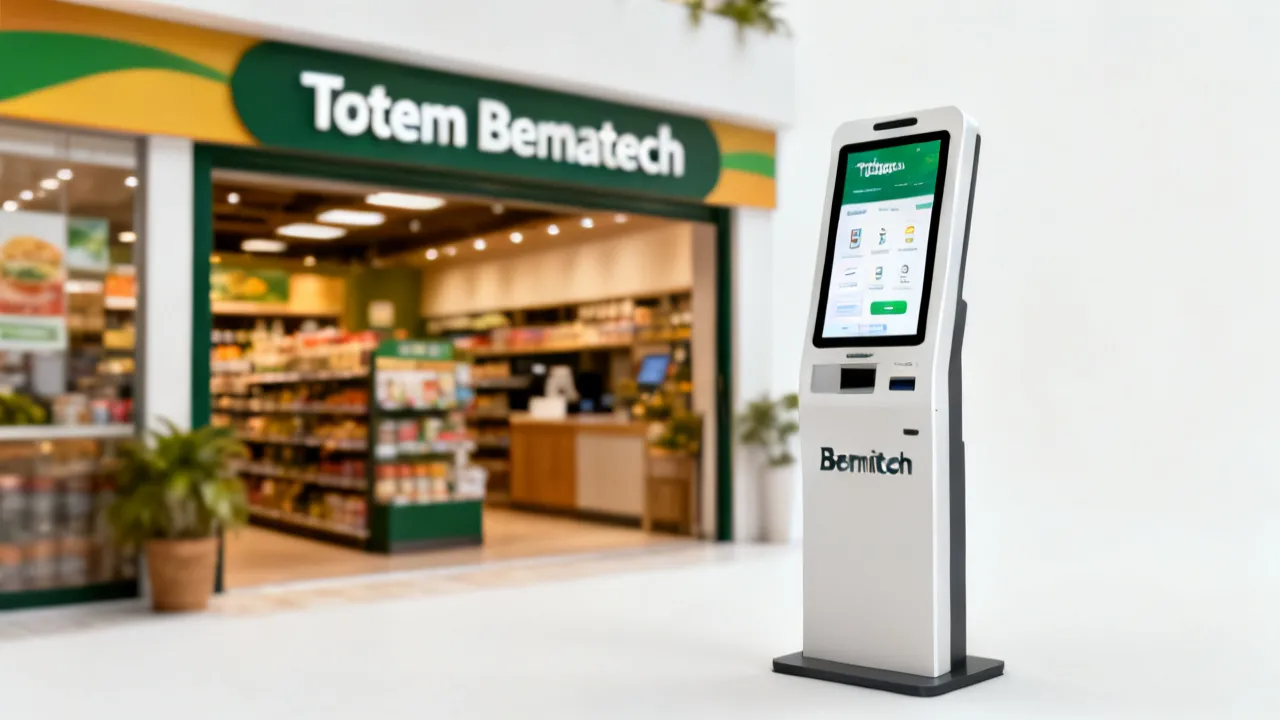
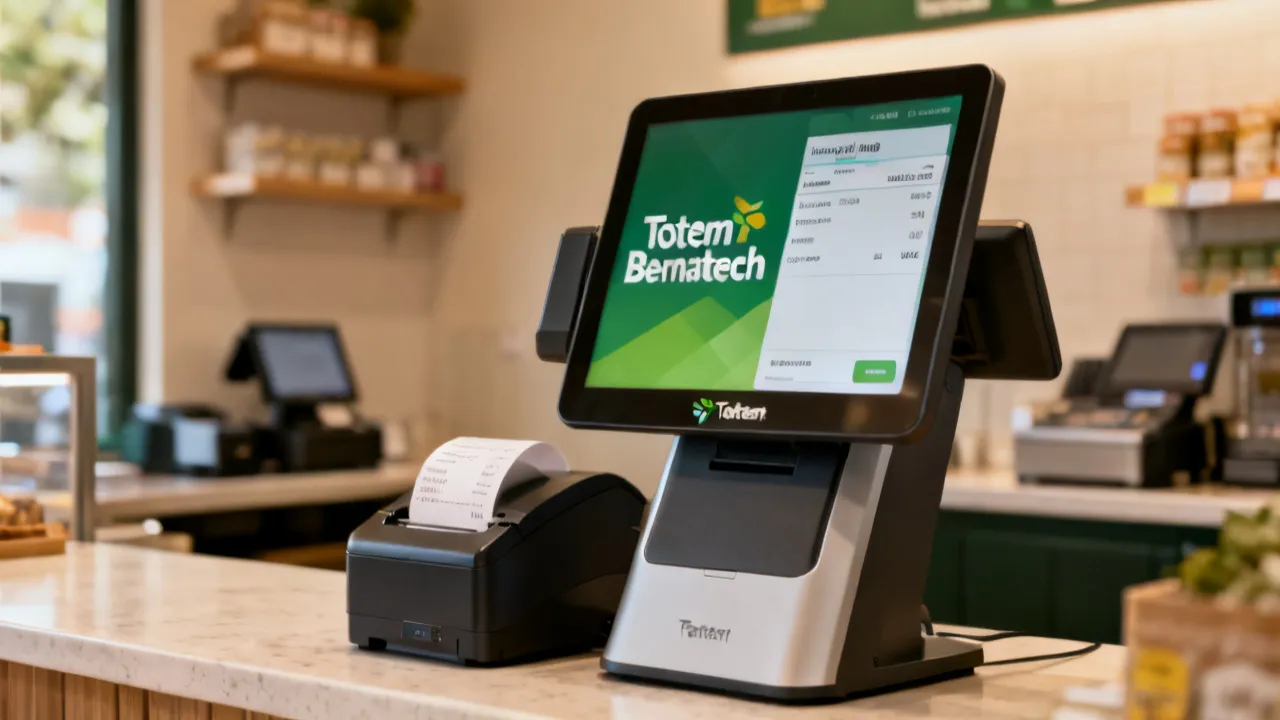
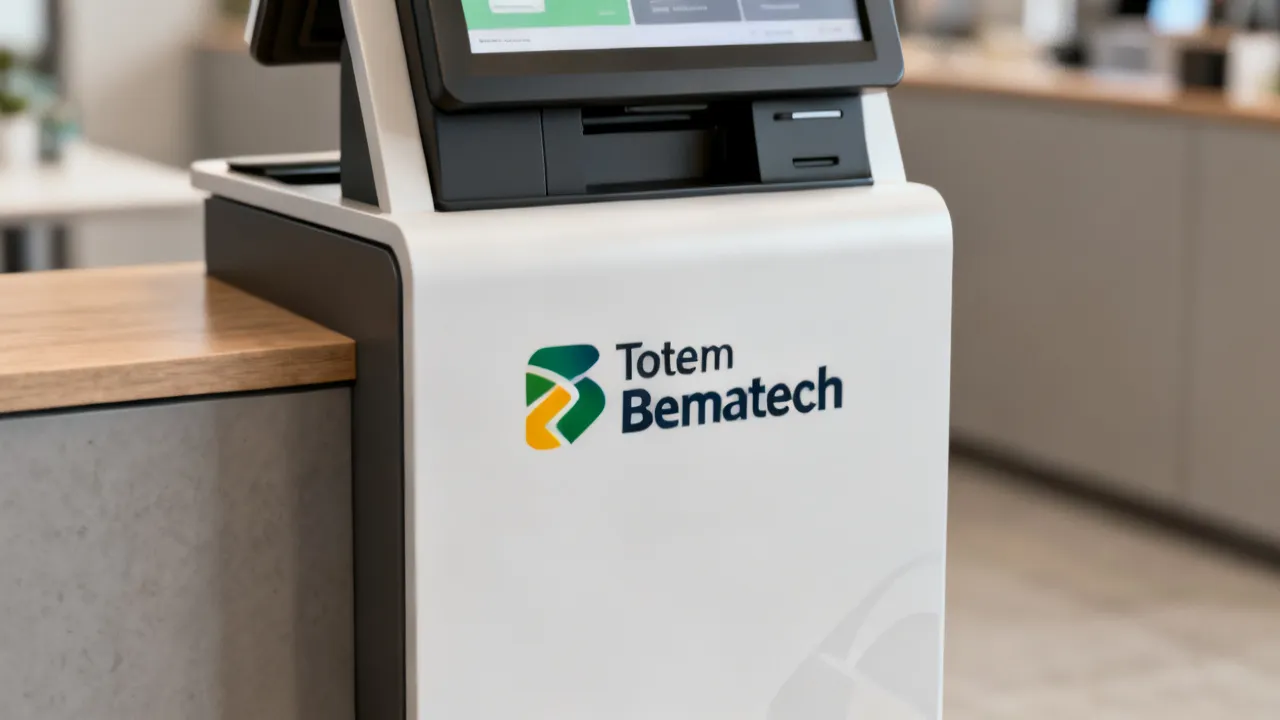
Totem Bematech Guide for Smarter Retail Labeling
Totem Bematech solutions help businesses streamline barcode labeling and customer-facing workflows with dependable thermal printing. This guide objectively explains how Totem Bematech fits into retail operations, what organizations typically evaluate when choosing a supplier, and which practical requirements matter for day-to-day reliability. The article then offers expert selection criteria, an implementation checklist, and FAQs.
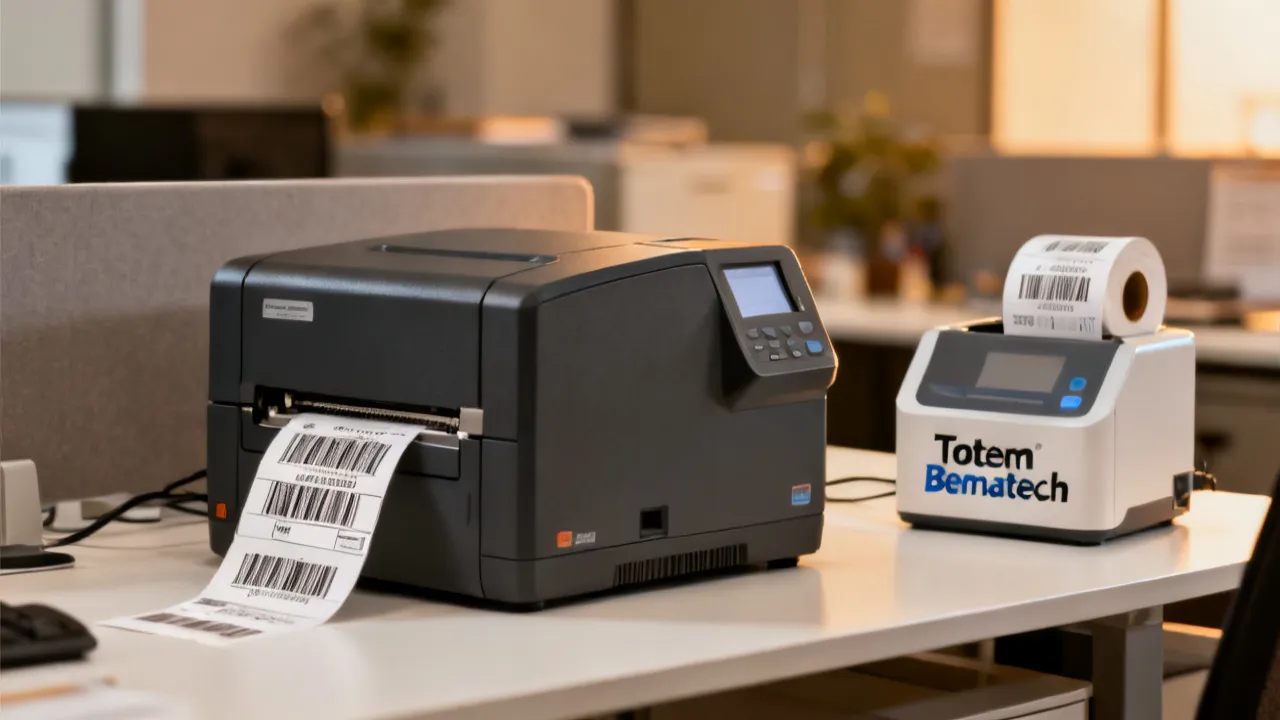
Executive Overview: Why Totem Bematech Matters for Retail Operations
Totem Bematech is frequently considered when organizations want a more consistent labeling experience—especially in environments where staff handle frequent transactions, inventory movements, and customer-facing information. In practical terms, teams evaluate how a Totem Bematech thermal printing workflow supports clear barcodes, durable label output, and smooth daily operations. Because labeling accuracy is tightly linked to scanning performance and inventory integrity, the selection process should focus on compatibility, print behavior, connectivity, and supplier support—not just the hardware itself.
Retail labeling is not a “back office only” activity. Even when printing happens in a stockroom, receiving area, or inventory office, the label’s result shows up throughout the store’s daily reality: scanners at checkout, handheld scanners in aisle replenishment, fixed scanners at gates or controlled areas, receiving verification, and sometimes customer-facing labeling. If labels are mis-sized, poorly contrasted, inconsistently formatted, or produced with templates that drift between systems, the negative effect rarely stays confined to printing. Instead, it ripples into operational delays, reprints, training burden, stock count discrepancies, and customer experience issues.
A Totem Bematech solution, when implemented thoughtfully, becomes an operational bridge: it standardizes the label output process and improves the predictability of downstream scanning tasks. But that “bridge” only works if the process is end-to-end consistent—from the data inputs in ERP/WMS/POS systems to the template logic used by label software, to the thermal print settings, to the label stock selected for the environment. This is why organizations that treat labeling as an integrated workflow (rather than a device purchase) typically get better outcomes: higher scan success rates, fewer exceptions, and more stable daily throughput.
What “Totem Bematech” Typically Refers To in Practice
In retail and logistics settings, “Totem” commonly describes an on-site, customer-visible or workflow-supporting terminal, while “Bematech” is associated with industrial-grade printing and retail technology. Together, a Totem Bematech setup is usually discussed as part of a broader solution that includes barcode printing and label management.
From an industry standpoint, the goal is not merely producing a label—it is producing labels that can be scanned reliably in motion and in real-world lighting conditions, with consistent formatting across shifts. That is why organizations often assess whether the solution aligns with existing systems (ERP/WMS/POS), label design requirements, and operational constraints like uptime, maintenance, and training.
In practice, the phrase “Totem Bematech” can be used in multiple ways, depending on the supplier’s catalog and local implementation patterns. Some projects use the “Totem” term to describe the physical presence of a printer terminal near a picking station or customer service desk. Others interpret “Totem” as a broader retail system where printing is triggered by interactions with a kiosk-like workflow. Regardless of the naming nuance, the underlying business need remains consistent: customers and staff need barcode labels to be generated and scanned without friction, and inventory must remain accurate.
To avoid confusion during procurement, teams should translate the phrase “Totem Bematech” into functional requirements. Instead of focusing on the label name, it is better to specify what the solution must do: print which label types, from what systems, using what connectivity method, at what throughput, with what maintenance and service model. When buyers clarify the functional job to be done, supplier conversations become more concrete, and it becomes easier to compare offers fairly.
Operational Value: Where Totem Bematech Improves Day-to-Day Workflow
Labeling sits at the intersection of sales, inventory, and customer service. When label generation and scanning are inconsistent, teams experience recurring “micro-frictions”: reprints, manual verification, delayed stock transfers, and longer checkout or picking cycles. A well-matched Totem Bematech solution can help reduce these issues by standardizing output and supporting predictable integration into established workflows.
Common operational improvements organizations look for include:
- Consistent barcode quality: readable codes and stable print definition, supporting scanning by standard handhelds or fixed scanners.
- Faster label turnaround: workflows that reduce waiting time for reprints or format corrections.
- Lower operational variance: fewer label “exceptions” caused by format mismatches or driver configuration drift.
- Better traceability: standardized labeling reduces the chance of misidentifying items during stock moves or receiving.
To understand why these improvements matter, it helps to view retail work as a chain where each link depends on the previous one. For example:
- Receiving: labels must accurately represent the received item and lot/SKU details if applicable. If labels are unclear, staff may postpone verification or re-run checks later.
- Stock movement: when items move between backroom locations and the floor, scanning accuracy determines whether the system’s inventory picture matches reality.
- Replenishment: store associates often scan labels while replenishing. If scanning fails, the work slows down and the worker may resort to manual entry or “best guess” approaches.
- Checkout: barcode labels often appear on the product itself. At checkout, failed scans directly impact checkout speed and customer waiting time.
Additionally, the label process influences training. A stable and standardized printing workflow reduces how much staff must “learn by exception.” When a store team can rely on predictable output and clear error handling, new associates ramp faster, and experienced staff waste less time diagnosing printing issues.
Key Requirements Before Buying Totem Bematech
Even when a Totem Bematech solution appears to “fit,” successful deployments depend on operational requirements and technical compatibility. Industry experts typically recommend clarifying these points early, because they influence total cost of ownership (TCO) over time:
- Print method and label media compatibility: ensure the label type, adhesive, and thermal characteristics match your environment.
- Connectivity: confirm how the device integrates with your network and systems (typical needs include wired or wireless connectivity depending on site layout).
- Software integration: validate whether your POS/WMS/ERP environment can reliably generate label formats.
- Print speed expectations: align throughput with your busiest operational windows.
- Uptime and service model: understand warranty coverage, spares availability, and expected response times.
- Environmental factors: consider heat, dust, and frequent handling, which can affect print heads and media feeding.
Beyond the “must-verify” list, buyers should also consider the operational rhythm of the store. Some environments have peak printing windows—like morning receiving, midday replenishment, or weekend promotions—where printing demand spikes sharply. The right solution must handle spikes without causing backlog or timeouts. Buyers should ask suppliers how the solution behaves under high throughput, including whether print jobs queue reliably, whether errors are surfaced clearly to users, and whether connectivity interruptions lead to corrupted or partially printed labels.
Another overlooked requirement is the “human workflow” around the printer. Even the most robust thermal printer can fail operationally if staff do not have an easy way to verify the correct template is being used, if label reels are changed inconsistently, or if label presentation is awkward in the work area. When evaluating a Totem Bematech setup, buyers should consider physical placement, mounting options, ease of media loading, and the visibility of status indicators (e.g., paper out, head temperature alerts, connection status).
Price and Supplier Considerations (How to Evaluate “Cost” Objectively)
Because exact price depends on configuration, accessories, volume commitments, and service contracts, quoting “a single Totem Bematech price” without those details can mislead buyers. A credible approach is to compare suppliers using the same scope of delivery.
When assessing suppliers, look beyond the headline number:
- Included components: cables, mounting accessories, label types guidance, and installation aids.
- Integration effort: whether the supplier offers configuration support for your current label workflow.
- Training and documentation: practical user enablement for shift staff, not only an initial handover.
- Service terms: warranty length, service channels, and turnaround expectations.
- Consumables guidance: support for selecting compatible labels and ribbons where relevant.
Expert perspective: In retail projects, the “real cost” often emerges from reprints, troubleshooting time, and label format mistakes. A supplier that helps prevent those issues can deliver a stronger ROI than the lowest upfront offer.
It is also useful to evaluate cost through a “failure-cost” lens. For example, consider what it costs when scanning fails due to a barcode quality issue. Costs can include: staff time spent reprinting, wasted labels, potential inventory mismatch corrections, and in worst cases, customer service impacts if incorrect items reach shelves or checkout. A slightly higher purchase price that includes integration support and training can be cheaper overall if it reduces these failure costs.
To make supplier comparisons more objective, buyers can build a procurement scorecard with weighted categories such as:
- Functional fit (label types, symbologies, sizes)
- Integration readiness (template support, error handling, testing process)
- Operational support (training quality, onboarding, documentation)
- Service reliability (SLA, spares, response time)
- Total cost of ownership (consumables, expected maintenance, downtime risk)
This approach ensures the purchase conversation stays anchored in measurable operational outcomes rather than vendor marketing language.
Comparison Table: Source Requirements, Steps, and Conditions for Adoption
The table below summarizes common decision points for adopting a Totem Bematech solution. It is written to be usable as a checklist for procurement and operations teams.
| Area | What to Verify | Step-by-Step Guide | Conditions / Requirements |
|---|---|---|---|
| Functional fit | Label types (barcodes, SKU labels), formatting needs, and scanning targets | 1) Map your label categories 2) Confirm barcode symbologies and sizes 3) Validate sample outputs | Output must be scannable by your existing scanners under typical lighting |
| System integration | POS/WMS/ERP compatibility and label-generation workflow | 1) Identify source system 2) Test label templates in your environment 3) Confirm error handling rules | Stable connectivity and predictable template rendering; clear rollback plan for failed formats |
| Connectivity | Network reliability and device discovery | 1) Review site network topology 2) Run discovery tests 3) Monitor reconnect behavior during busy hours | Minimum network stability; documented fallback if Wi-Fi signal weakens |
| Print media alignment | Label stock, adhesive properties, and thermal performance | 1) Select label samples 2) Print test batches 3) Assess smudge resistance and durability | Media must match device specifications; validate for temperature and handling conditions |
| Uptime & support | Warranty terms and service pathways | 1) Review warranty coverage 2) Ask about response time 3) Confirm spare handling and maintenance schedule | Clearly defined service escalation; documented preventive maintenance steps |
| Rollout readiness | Training and change management for staff | 1) Create standard operating procedures 2) Train shift leads 3) Run parallel period or pilot rollout | Shift staff can perform basic troubleshooting without extended downtime |
To make the table actionable, teams can expand each “What to Verify” item into concrete acceptance criteria. For instance, “Output must be scannable” can be translated into a target like “scan success rate of X% across Y label batches using Z scanner models, during A lighting conditions.” When acceptance criteria exist, it becomes easier to decide whether a solution is truly ready for production.
Similarly, “Stable connectivity” can be tested by running controlled print job bursts while simulating typical store network behavior (e.g., busy Wi-Fi usage, temporary coverage dips). If a printer’s workflow breaks during these realistic conditions, the installation is not ready, regardless of how good it looks in a lab environment.
Step-by-Step Implementation Guide (Industry-Expert Approach)
Below is a practical sequence many organizations follow when implementing a Totem Bematech labeling workflow. While each project differs, this structure helps reduce rework and surprises.
-
Define labeling scope and success criteria
List every label type used in your operation, then define measurable outcomes: scan success rate, reprint frequency, and error rates during peak times. Keep the criteria realistic and tied to your current scanning infrastructure.
It is helpful to separate “must-have” labels from “nice-to-have” labels during early deployment. For example, SKU shelf labels might be a core need, while specialty labels for promotions or limited-run items can be phased later. This staged scope reduces early complexity and makes it easier to isolate printing issues.
-
Validate sample outputs with your exact media and symbologies
Do not validate only by visual inspection. Generate sample labels and run controlled scanning tests using your scanner models. Barcode readability can vary with font sizing, quiet zones, and label stock.
During this step, teams should also verify label placement and how the barcode appears when attached to real products. A barcode printed beautifully on a sheet may fail when attached over curved packaging, on shiny surfaces, or on cartons that get handled repeatedly. Testing labels on representative items can prevent surprises later.
-
Confirm software workflows and error handling
Test the full label generation chain: data entry or product lookup, label template selection, printing command, and what happens when fields are missing or invalid. This is where many deployments either stabilize or fail silently.
Specifically, confirm how the system responds to common exceptions: missing product dimensions, incorrect SKU codes, null lot numbers, or formatting overrides. A good workflow should either block label printing or clearly flag the error before a bad label reaches the floor. If it prints “something,” even if it is wrong, it can create a long tail of inventory correction work.
-
Design operational procedures for routine exceptions
Create SOPs for common issues: misfeeds, label jams, format mismatch, and wrong SKU prints. A well-designed SOP reduces downtime and prevents staff from “workarounds” that break label consistency.
Well-designed SOPs include “stop rules.” For instance, if the printer repeatedly reports a specific error code, staff should stop and escalate rather than continuing to print “until it seems okay.” Stop rules reduce the risk of printing large volumes of incorrect labels that only get discovered later during scanning or auditing.
-
Plan for preventive maintenance
Define a maintenance schedule based on usage and environment. Thermal printing performance can degrade with dust and worn components, so preventive checks matter for long-run consistency.
Preventive maintenance can include cleaning schedules, print head checks, roller inspection, and verifying that label sensors and media loading mechanisms function reliably. In high-volume stores, maintenance should align with operational downtime windows. A maintenance plan should also specify who performs the tasks—store staff, technicians, or a contracted service provider—and what tools or spare parts are required.
-
Run a pilot rollout before full deployment
Start with a single location or a limited store area. Track scanning performance and label reprints. Use the pilot to fine-tune label formats and integration settings.
A pilot should be long enough to cover real workflow variations. This includes changes in shift staffing, peak traffic periods, and typical differences in how associates handle equipment. It is often the “weekday baseline” and “promotion day” behavior that reveal weaknesses in the printing workflow.
-
Train staff with role-based guidance
Shift staff need practical steps: how to confirm correct label format, how to respond to a scan failure, and how to perform basic corrective actions safely.
Training should differentiate between roles. A shift lead may handle template confirmations and escalation calls, while a standard associate may focus on operational checks like verifying label roll seating, confirming printer status indicators, and handling basic misfeeds. Role-based training reduces confusion and ensures the right people respond to the right problems.
-
Review performance after stabilization
After the initial rollout, review operational metrics with stakeholders. If errors persist, trace them back to data quality, template logic, or print configuration.
Performance review should include not just printing metrics but scanning outcomes. If labels are generated correctly but still fail scanning, the issue may be barcode configuration, quiet zone spacing, label surface characteristics, or scanner firmware settings. The goal is to close the loop between printing and scanning success.
Common Technical Pitfalls to Avoid
In real deployments, problems often come from assumptions rather than hardware limitations. An expert evaluation typically looks for these pitfalls:
- Template drift: small differences in label design between systems can cause inconsistent barcode dimensions.
- Unverified label media: label stock that differs from recommended specifications can affect print density and adhesion.
- Network instability: printers that lose connectivity during peak usage may cause partial workflow breakdown.
- Insufficient staff SOPs: without clear instructions, teams may reprint incorrectly, worsening inventory discrepancies.
- Missing pilot testing: validating in a lab is not the same as validating during actual store traffic and lighting conditions.
Here are additional pitfalls that often appear as “surprises” after go-live:
- Underspecified barcode parameters: teams may assume default barcode settings are adequate. In reality, quiet zones, module width, and checksum configuration (where relevant) determine scanner success. If defaults differ from what scanners expect, failure rates increase.
- Ignoring label placement and handling: even correct barcodes can fail if labels are cut off-center, applied crookedly, or printed with margins too tight for real-world handling.
- Not testing different scanner models: store operations might rely on multiple scanner models (handheld and fixed scanners). A label that works on one scanner might struggle on another due to firmware differences or scanning algorithms.
- Insufficient visibility of printer status: if staff cannot easily tell whether a job printed correctly or partially, errors can propagate. Clear status indicators and job confirmation messages help reduce uncertainty.
- Overlooking firmware/driver updates: updates can change print behavior. Teams should have a version control and change management approach so that new versions do not unexpectedly alter output formatting.
Supplier Selection: What “Good Support” Looks Like
Many buyers focus on device procurement. However, for a Totem Bematech deployment to perform reliably, supplier competence matters across the lifecycle:
- Pre-sales discovery: asking about your POS/WMS/ERP environment, label categories, and operational exceptions.
- Implementation assistance: helping to configure print drivers, templates, and connectivity, with documented procedures.
- Training: enabling store staff to troubleshoot without guesswork.
- Service readiness: maintaining a clear escalation path and offering realistic turnaround expectations.
A strong support model does more than respond after failures. It includes proactive planning and collaboration. For example, a good supplier will help define a rollout plan that includes acceptance criteria, pilot success metrics, and an issue triage method. It will also help buyers avoid “integration blind spots,” such as unhandled label template exceptions or missing fallback behavior when network connectivity changes.
Buyers can evaluate supplier support quality by asking practical questions, such as:
- How do you validate label outputs with our media and scanner models?
- What documentation do you provide for store technicians and shift staff?
- What is your SLA for service calls, and how do you handle urgent failures during peak retail hours?
- Do you provide spare parts or rapid replacement options?
- How do you manage version control for print templates and label formats?
Note on “price”: When supplier quotes differ, compare scope rather than only numbers. A slightly higher Totem Bematech quote may include integration support and training that reduce operational downtime later.
It can also help to negotiate service terms based on store realities. For example, a store may experience high label printing demand on specific days (inventory counts, promotions, seasonal events). A supplier’s ability to support those dates—through scheduling, staffing plans, or faster response—can matter more than the nominal warranty coverage.
Reliable Context: Why Barcode Print Quality Is Operationally Critical
Barcode readability depends on multiple factors: print resolution, barcode symbology settings, label dimensions, quiet zone spacing, and contrast between the printed code and label background. In retail environments, scanning devices and software systems are tuned to these standards, so deviations can create errors that users perceive as “system slowness” or “inventory mistakes.”
For grounding in standards and barcode principles, many organizations reference guidance published by international symbology organizations and industry top-practice documents. Additionally, scanning performance discussions often align with general barcode design standards maintained by relevant ISO/IEC and symbology bodies. When you validate your Totem Bematech labels, you should follow the symbology specifications applicable to your barcode types.
To make this concrete, consider a few factors that directly impact scan success:
- Print resolution and dot density: Thermal printers can produce different effective densities depending on settings. If the density is too low, bars may blend, reducing contrast. If too high, the edges can blur or bleed depending on media.
- Barcode sizing and scaling: Barcode “fit to label” changes can affect module width and quiet zones. Even if it looks correct, scanning engines can fail if the barcode parameters fall outside expected ranges.
- Quiet zones: The quiet zone is the required empty space around the barcode. Tight margins can cause scanning errors because scanners rely on the quiet zone boundaries to interpret the symbol.
- Contrast: Labels printed on unsuitable media may appear high-contrast to the human eye but may not perform under scanner sensors, especially in variable lighting or with different scan angles.
- Smudge resistance: Labels attached to packages often experience friction from handling. If print ink/thermal image smears easily, scanning can fail after a short time in the real environment.
When validating Totem Bematech printing, teams should also consider scanning geometry. Handheld scanning can occur at different angles and distances than fixed scanning. Labels must work for real-world user behavior, not just ideal test scenarios. For example, in a busy store, associates might scan quickly with less careful alignment. A label solution that only passes “slow, careful tests” will likely fail operationally.
FAQs
1) What does Totem Bematech typically cover for a retail labeling setup?
In typical discussions, Totem Bematech refers to a retail workflow that combines a totem-like operational presence with Bematech-associated printing capabilities—often centered on producing barcode labels consistently for inventory and customer-facing processes.
However, how it is packaged can differ by supplier and region. Some deployments focus on the printing device and workflow triggers; others frame it as a combined station experience that includes mounting, user interaction, and printing. Buyers should clarify what “Totem” includes in the proposal, such as whether the solution covers physical kiosk placement, device management, and software triggering mechanisms.
2) How can I confirm whether a Totem Bematech solution will work with my current POS or WMS?
Ask the supplier to validate your label-generation workflow end-to-end: confirm template compatibility, connectivity assumptions, and error handling. Request a small pilot with sample data that matches your real SKU formats.
To make end-to-end validation meaningful, buyers should provide the supplier with representative data sets, including edge cases like SKUs with special characters, variable length product codes, items requiring additional metadata (batch or lot), and promotions that create alternative label formats. Validating only “happy path” examples can lead to late-stage surprises when real store data introduces formatting extremes.
3) What factors very affect barcode scanning success?
Quality and consistency of the printed barcode matter very: barcode symbology configuration, correct sizing, adequate contrast, quiet zone margins, and correct label media. Environmental factors like dust and label handling also influence readability.
In addition, scanning performance depends on scanner firmware and configuration. If scanners are set to expect certain barcode sizes or if they have misconfigured decoding parameters, even perfectly printed barcodes may not be interpreted correctly. Therefore, it is often beneficial to confirm scanner configuration as part of the validation process.
4) Does price vary a lot for Totem Bematech devices?
Yes, price commonly changes based on configuration, accessories, integration scope, and service terms. Compare quotes using the same delivery scope and support model rather than only the headline price.
In many retail procurement cases, the biggest cost variability comes from service and integration effort—areas where buyers may underestimate the “hidden” work needed to achieve stable printing and scanning. Comparing suppliers on integration quality and service coverage can reveal which offer is truly cost-effective.
5) What should be included in the supplier’s support offer?
A strong support model includes configuration assistance, training for shift staff, preventive maintenance guidance, and a clearly documented service escalation process aligned to your operational schedule.
Support should also define what is considered “normal” versus “fault.” For example, does a temporary network drop count as a fault, or is it expected to retry? What happens to queued print jobs? Clear fault definitions help reduce blame-shifting during incidents and speed up resolution.
6) How long should a pilot take?
Pilot duration varies by store complexity, but a practical approach is to pilot long enough to cover peak operations and at least several days of realistic labeling volume. Use the pilot to confirm both print quality and workflow stability.
While some pilots can be short in simple environments, retail labeling frequently involves multiple label types and data variations. Pilots that cover only a fraction of those types may miss critical formatting edge cases. A good pilot plan includes a test matrix: label type, data variation, printer settings, media, and scanner scenario.
7) How do we reduce the risk of label format mistakes during rollout?
Use controlled template deployment, maintain version control for label formats, and establish SOPs for common exceptions (e.g., wrong SKU inputs, print errors, and label jams). Training should cover how to verify correct formats before printing in high-volume periods.
Version control can be as simple as maintaining a change log and assigning a formal approval process for template updates. If templates are updated without a controlled mechanism, teams may print labels that do not match the expected barcode symbology parameters, causing scanning failures that can be difficult to trace.
Conclusion: A Procurement Mindset That Protects Uptime and Scan Reliability
Totem Bematech solutions can support smoother retail labeling and customer-facing workflow execution when the selection process is handled with operational rigor. Rather than focusing solely on device availability or a single Totem Bematech price figure, buyers benefit from a structured evaluation of integration readiness, label media compatibility, supplier support quality, and practical staff procedures. With a pilot rollout and clear criteria, organizations can move toward dependable label output and fewer disruptions in daily operations.
Ultimately, the best procurement outcome is not merely installing printers—it is establishing a stable labeling system that consistently produces scannable barcodes, supports inventory accuracy, and protects store uptime. When teams approach Totem Bematech as an end-to-end workflow problem—data, templates, printing, scanning, and maintenance—they reduce operational variance and improve the reliability of everyday retail execution.
To keep progress sustainable after rollout, organizations should treat labeling performance as a living process. Monitor scan success rates, reprint frequency, and error trends. Use those metrics to guide ongoing improvements in templates, media selection, and staff SOPs. Over time, this approach transforms labeling from a source of micro-frictions into a predictable operational capability that supports both operational efficiency and customer satisfaction.
Additional Practical Considerations for Real-World Totem Bematech Deployments
Although procurement checklists and implementation steps help organizations avoid obvious mistakes, many retail teams discover that long-term success depends on details that only appear after the solution is in place. The following practical considerations expand the evaluation into daily operational realities—helping teams plan for how staff will actually use the system, how the system will behave under pressure, and how label quality will remain stable over time.
Understanding Your Label Lifecycle: From Template to Shelf
A label’s lifecycle is longer than most teams assume. Even if printing is fast, the label may be generated days or weeks before its final use case, depending on store processes. Additionally, labels may be re-applied during price changes, repackaging, or merchandising resets. That means the label must endure real handling and still remain scannable.
When planning a Totem Bematech deployment, it is helpful to map the lifecycle of each label type:
- Print moment: where the label is printed and who triggers it.
- Handling period: how long the label may sit before being applied.
- Attachment environment: whether labels go on boxes, hang tags, shelf labels, or product packaging.
- Operational stresses: humidity, temperature swings, cleaning processes, abrasion, and friction.
- Scan moments: when and where the label is scanned—checkout, receiving verification, replenishment, or audit.
This lifecycle mapping informs decisions about label stock and adhesive selection. A label designed for shelf display may not perform on frequently handled cartons. Conversely, a label stock optimized for durable handling may be unnecessarily expensive for low-stress uses. By aligning label media choices with actual label lifecycles, organizations optimize cost while maintaining scan reliability.
Aligning Barcode Symbologies With Scanner Expectations
Barcode symbologies (and their configurations) are not interchangeable. Even when the same “value” is encoded, scanner decoding behavior can vary significantly by symbology, module width, error correction, and quiet zones. When teams add or modify label formats, they sometimes change barcode settings without fully understanding scanner decoding assumptions.
To reduce risk, organizations should treat barcode parameters as part of an interoperability contract:
- Symbology standard: confirm whether the barcode type is Code 128, EAN/UPC, QR, or another symbology, and ensure the formatting rules are followed.
- Size and scaling: ensure the printed symbol dimensions remain consistent across label sizes.
- Quiet zone rules: validate quiet zones for each barcode type and label format.
- Checksum behavior: confirm whether check digits/validation are configured correctly.
- Human-readable text: decide whether human-readable text is required and ensure it does not interfere with barcode clarity.
During validation, it can be useful to run scanning tests that measure not only pass/fail but also “scan time” behavior. A label that always scans eventually might still cause delays if it requires multiple attempts. In busy store environments, scan speed affects workflow and staff satisfaction.
Network and Connectivity: Beyond “It Connects”
Connectivity requirements are often reduced to a binary question: does the printer connect via Wi-Fi or Ethernet? However, operational reliability depends on how the device maintains connections under load and how it recovers from interruptions. A robust Totem Bematech deployment should be resilient to typical retail network behaviors: interference, coverage changes, router restarts, and temporary drops during peak usage.
When evaluating connectivity, buyers should ask for clarity on:
- Discovery mechanism: how printers appear to systems (static IP, dynamic discovery, hostnames).
- Job handling: what happens if a print job is initiated while connectivity drops mid-job.
- Retry logic: whether the system automatically retries failed jobs and how it signals errors to staff.
- Fallback pathways: what the workflow does if the network is down (e.g., local buffering, offline mode, or escalation).
- Security constraints: whether firewall rules or VLAN configurations block printing and how these are handled.
A practical approach is to run a “network stress validation.” For example, conduct high-volume print job bursts while monitoring printer status and job completion. Validate what happens when devices temporarily lose connectivity. The goal is to ensure that errors are fail-safe and understandable—preferably with clear messaging and no silent partial printing.
Print Settings Management: Avoiding Drift Over Time
Even if a printer prints correctly on day one, print settings can drift. Drift can come from staff changes, updates, driver configuration differences, or environment adjustments. Over time, a “working” setup can degrade, leading to subtle barcode quality changes that create new scanning failures.
To prevent drift, organizations can implement print settings management practices:
- Central configuration: keep print driver settings consistent across devices.
- Change control: require approvals for template updates and printer setting modifications.
- Version labeling: include version references in SOP documents and template metadata.
- Monitoring: track reprint frequency and scanning failures to detect degradation early.
Additionally, if multiple printers are used across stores, teams should standardize the configuration as much as possible. A variation in settings across locations may not be noticeable immediately but can cause inconsistent scan success rates, complicating troubleshooting.
Media Management: Consistent Label Stock Is a Deployment Requirement
Label stock is not merely a consumable. It is a critical part of the printing system’s performance. Variations in adhesive strength, thickness, liner material, and surface treatment can influence print head behavior, smudge resistance, and scanner readability.
When planning Totem Bematech rollouts, organizations should treat label media selection as a formal requirement, including:
- Approved label catalog: define which label types are approved for each use case.
- Roll handling procedure: ensure staff load media correctly and do not mix incompatible label types.
- Storage conditions: maintain appropriate storage to prevent label curling or adhesive degradation.
- Quality checks: validate that label stock from new batches still meets scan success criteria.
A common operational mistake is to allow label substitutes “to get the job done” during shortages. While substitutions may seem harmless, label media changes can alter barcode clarity and scanner performance. A robust deployment includes guidance for substitutions and a process to test substitute label stock before broad adoption.
Designing SOPs for Speed and Safety
SOPs (Standard Operating Procedures) are often written as generic troubleshooting guides. In reality, stores need SOPs that help staff quickly restore operations without introducing more errors. Good SOPs should balance speed, safety, and error prevention.
For a Totem Bematech labeling workflow, SOPs should cover:
- Label verification steps: how to confirm the correct label template and correct data fields before printing.
- Misfeed handling: specific steps to clear jams without damaging rollers or sensors.
- Reprint rules: when it is acceptable to reprint and when labels must be revalidated by a shift lead or technician.
- Exception escalation: what errors require immediate escalation (e.g., repeated head overheat messages, consistent barcode decode failures).
- Cleanup and maintenance actions: safe cleaning procedures and frequency recommendations.
Importantly, SOPs should include “what not to do.” Many incidents worsen when staff attempt unsupported fixes, such as forcing media incorrectly, using non-approved label stock, or repeatedly printing without addressing the root cause of scan failures.
Training Beyond the Basics: Role-Based and Scenario-Based
Training typically covers how to load labels and start print jobs, but effective training also includes scenarios. In retail, staff confront the system under time pressure, in noisy environments, and with varying levels of familiarity. Scenario-based training helps ensure that staff can respond correctly when something goes wrong.
A scenario-based approach to training can include:
- Barcode fails scanning at checkout: steps to verify label template correctness, printer status, and barcode readability.
- Printer reports out-of-label or sensor errors: safe actions to clear issues and avoid damaging the printer.
- Wrong SKU label printed: how to identify the cause (data vs template vs print trigger) and how to prevent recurrence.
- Network drop during printing: expectations for job handling, retries, and how to proceed without manual chaos.
Role-based training helps because not all staff handle the same responsibilities. A shift lead might need deeper knowledge of template versioning and escalation routes, while a store associate might only need safe operational checks and a clear “stop and ask” process.
Monitoring and Metrics: Making Label Performance Measurable
To maintain high performance after deployment, organizations should track metrics that reflect both printing and scanning outcomes. Without these metrics, teams may rely on anecdotes, which can delay root cause identification.
Metrics to consider include:
- Print job success rate: how often print jobs complete without errors.
- Reprint frequency: how many labels require reprinting due to errors or scan failures.
- Scan success rate: the ratio of successful scans for printed labels across scenarios.
- Mean time to recovery: how long it takes to resume operations after a printer issue.
- Consumable usage trends: label waste and changes in usage patterns that may indicate feeding problems.
These metrics can be collected through a combination of printer logs, WMS/POS scanning reports, and store incident reports. When metrics indicate a decline in scan success rates, teams can investigate whether the cause is template drift, media changes, print setting degradation, or scanner configuration.
Managing Label Format Changes: Controlled Template Deployment
Label formats change over time: new promotion patterns, product catalog updates, additional barcode metadata, and compliance requirements. If changes are deployed informally, they can break scanning performance or create mismatches between labels and database expectations.
To manage label format changes safely, organizations can adopt controlled deployment practices:
- Template versioning: keep track of which template versions correspond to which operational requirements.
- Approval workflow: require review by operations stakeholders and IT or integration owners.
- Staged rollout: deploy to pilot locations first, then expand only after acceptance criteria are met.
- Rollback plan: define how to revert quickly if scanning failures spike.
These practices ensure that format changes do not become recurring sources of operational friction. When staff trust that label changes will be controlled and validated, they are more likely to follow SOPs rather than applying ad-hoc fixes.
Service and Maintenance Planning: Reducing Downtime
Thermal printers are robust but not maintenance-free. Print heads can wear, sensors can collect dust, rollers can become misaligned, and label feed mechanisms can degrade. In retail, downtime has cascading effects: missing labels delay receiving, replenishment, and even customer checkout in certain workflows.
To reduce downtime risk, organizations can plan maintenance with:
- Clear service escalation routes: who to contact, how quickly, and what information to provide (printer error codes, job logs).
- Preventive maintenance schedule: aligned with store volume and environmental exposure.
- Spare parts availability: whether the supplier provides spare units or fast replacement options.
- Contingency operations: documented alternatives if printers fail (e.g., manual label creation process, temporary fallback scanning workflow).
Service planning should include operational timing. A repair during a peak receiving window can be more expensive than one scheduled for off-peak times, even if the repair time is the same. Buyers can request supplier collaboration on scheduling and on providing a realistic service plan that respects store operations.
Conclusion: From Hardware to a Reliable Retail Labeling System
Procurement success with Totem Bematech is measured not by how quickly printers can be installed, but by how consistently they enable accurate, scannable labeling within real retail workflows. The best outcomes occur when teams treat the solution as an end-to-end system: data and templates in ERP/WMS/POS, printer settings and media compatibility, connectivity stability, training quality, SOP clarity, and maintenance planning.
When buyers apply an operational mindset—validating sample outputs with real media and symbologies, testing scanning success under realistic conditions, controlling label format changes, and requiring strong supplier support—they reduce operational variance. Over time, the organization gains a stable labeling capability that supports inventory integrity, faster workflows, and better customer experience.
-

A Guide to Cost-Efficient Small Electric Cars for Seniors
-
Mastering Debt Consolidation: Boost Your Credit Score and Manage Interest Rates
-
Your Guide to Loans, Credit Checks, and Interest Rates
-
Affordable Independent Living: Finding the Right Senior Housing
-
Guide to Senior Living Apartments: Affordable and Comfortable Environments